
What Makes a Winning Wine: Lessons from Casino Strategy and Viognier Selection
Unexpected parallels exist between selecting the ideal wine and making calculated choices at a gaming table. Both call for research, perseverance, and an awareness of what distinguishes great decisions from bad ones. Recognizing excellence in Viognier wine requires the same kind of critical thinking used by casino strategists. Known for its full-bodied taste and aromatic richness, this white variety rewards those who approach selection with purpose rather than whims.
Casino Culture: Strategy, Patience, and Choice
The casino floor relies on well-informed decision-making and measured risk. Professional athletes realize that preparation is the key to success and analyze chances and trends rather than depending solely on luck. This scientific approach transfers very well to wine choosing, where understanding terroir, varietals, and production techniques distinguishes gratifying discoveries from haphazard purchases.

The Psychology of Making Knowledgeable Decisions
We learn from casino strategy that making hasty judgments seldom produces the greatest results. Experienced gamers at places like winbeatz casino know that making hasty wagers without taking the factors into account can result in disappointment. When choosing wine, the same idea holds true. Shopping becomes deliberate decision when you know what you're looking for, whether it's a powerful structured red or a crisp fragrant white. It becomes evident how both arenas reward people who take the time to understand before committing.
Developing Understanding via Pattern Recognition
Skilled casino players acquire the ability to read events and spot advantageous circumstances. Similar abilities are developed by wine connoisseurs by extensive tasting, highlighting traits, and creating a mental library of taste profiles. Every tasting turns into information that guides decisions in the future. Just as a proficient player can rapidly evaluate the mechanics of a new game, this collected knowledge enables you to identify great bottles even in unfamiliar area.
Important Casino Strategy Concepts for Wine Selection:
- Prior to making large investments, learn the basics.
- Understand that long-term quality is not defined by short-term volatility.
- Recognize that value and price are not necessarily related.
- Recognize authenticity and workmanship indicators.
- Recognize that patience and repeated exposure are necessary for gaining skill.
- Make choices based on facts rather than advertisements.
- Understand when to follow your gut after gaining a solid basis in information.
What Viognier Wines Are and Why Choice Is Important
The French Rhône Valley, more especially the Condrieu and Château-Grillet appellations, is the birthplace of the white wine grape variety known as viognier. Unlike more popular white wines like Chardonnay or Sauvignon Blanc, this variety yields wines with a thick, almost greasy texture and a particular aromatic intensity. With high-quality expressions now arriving from South America, Australia, and California, Viognier's worldwide reach has grown dramatically.
The Varietal's History and Features
When Rhône plantings decreased to less than thirty acres in the middle of the 20th century, the grape was on the verge of being extinct. One of wine's greatest comeback tales is its resurrection. Warm conditions allow viognier to mature completely while maintaining a level of acidity that counterbalances its naturally high glycerol and alcohol content. A winemaker may find it challenging to produce high-quality Viognier because to the vines' famously unpredictable yields and susceptibility to vintage change.
Global Expressions and Regional Differences
| Region | Characteristics | Alcohol % | Price Range |
|---|---|---|---|
| Condrieu, France | Rich, mineral, stone fruit | 13.5–14.5% | $40–$100+ |
| California | Fruit-forward, tropical, oak | 13–14.5% | $15–$45 |
| Australia | Bold, luscious, honeyed | 13.5–15% | $12–$35 |
| Washington State | Citrus, fragrant, balanced | 12.5–14% | $18–$40 |
Recognizing the Aroma, Texture, and Taste Balance of Viognier Wine
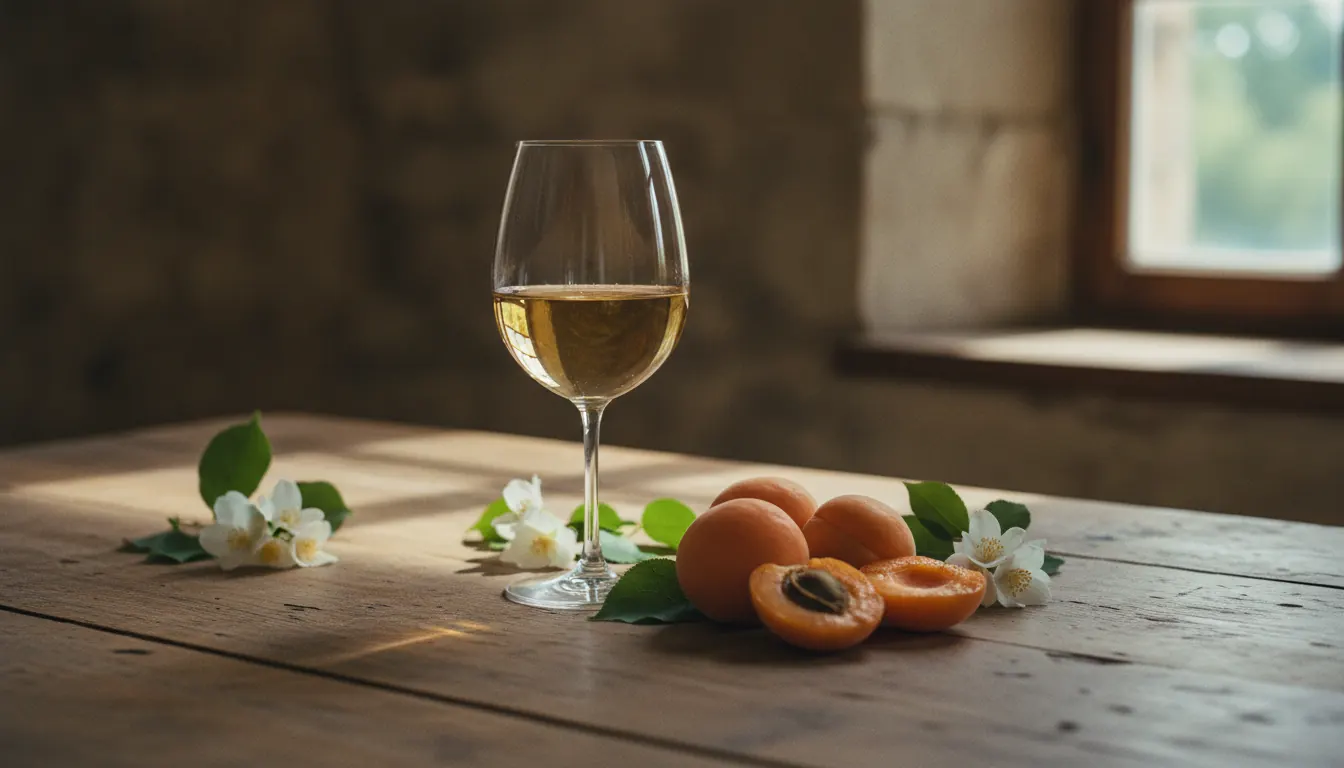
The distinctive blend of textural richness and aromatic intensity defines the viognier wine taste profile. Strong notes of apricot, peach, honeysuckle, and orange flower are usually detected in the nose; in certain cases, tangerine peel, ginger, or nutmeg may be detected.
"Viognier occupies a special niche among white wines—it offers the aromatic complexity of Gewürztraminer with the body of oaked Chardonnay, yet maintains its own distinct personality that makes it irreplaceable in a wine lover's repertoire." — Master Sommelier Review
Viognier has a fuller body than most white wines, with a creamy, almost viscous mouthfeel that coats the palate without feeling heavy.
The Fragrant Characteristic That Indicates Excellence
Excellent Viognier is distinguished by its aroma. Before the glass even reaches your lips, these wines need to make an impression by arousing your senses with complex fruity and flowery aromas. Good examples, however, are restrained; the aromatics should imply depth rather than demand attention, and they should be welcoming rather than overpowering. Lesser variations lack the subtlety that makes the variety appealing and may smell excessively scented or soapy.
Crucial Taste Components in Viognier: Structural Aspects Beyond Aroma
- Acidity levels that maintain freshness even when the body is full
- Glycerol content produces a rounded, smooth mouthfeel
- A modest grip without astringency is provided by the phenolic structure
- Integration of alcohol that provides warmth without burning
- Mineral undertones offset the richness of fruit
- The length of finish indicates the fruit and winemaking quality
- Subtle hints of spice from skin touch or old oak
How to Find the Best Viognier Wine Features in a Winning Bottle
Above all, the greatest Viognier wine has balance. Excellent producers control the varietal's inherent tendency toward richness and high alcohol content without letting any one feature take center stage. Seek out bottles that promise complexity—many facets of flavor and scent that change as the wine opens. In order to show deliberate grape selection, the label should list individual vineyard origins rather than general geographical designations.
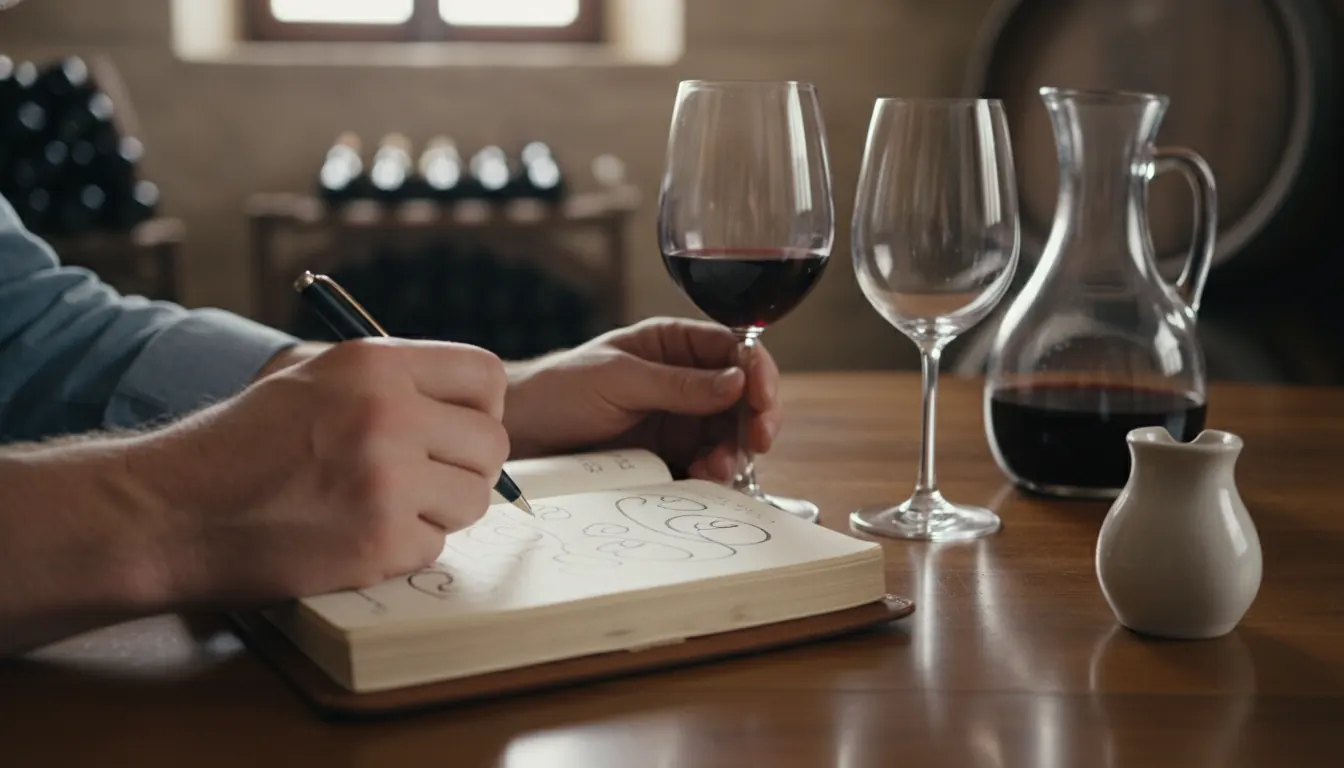
Assessing Production Techniques and Quality Markers
Knowing production decisions makes it easier to spot high-quality bottles. Viognier may be matured in oak barrels to provide depth and texture, or it can be vinified in stainless steel to highlight fruit purity and aromatics. The key is execution; neither strategy is intrinsically superior. While oaked variants should smoothly include wood without tasting like a lumber yard, stainless steel versions should exhibit vivid fruit and sparkling clarity. When used carefully, whole-cluster fermentation, skin contact, and lees aging all add flavor.
| Quality Indicator | What to Look for | Red Flag |
|---|---|---|
| Vintage | Released during the last one to three years | Over 4 years old |
| Alcohol | 13–14.5% ABV | Over 15% ABV |
| Color | Pale to medium gold | Amber or brown shades |
| Closure | Cork or high-quality screw cap | Premium-quality synthetic cork |
| Label Details | Information about the vineyard's inception | Vague information |
Value Assessment and Price Points
Because of its difficult viticulture and lesser yields, premium viognier fetches greater prices. For high-quality domestic equivalents, budget at least $20, and considerably more for French Condrieu. However, California growers in areas like Paso Robles, Santa Barbara, and the Sierra Foothills offer exceptional value in the $25 to $40 range.
"The beauty of Viognier is that it punishes lazy winemaking but rewards those who understand its potential. You've found something worth seeking out vintage after vintage when you find a producer who has mastered the varietal."
Australian Viognier frequently offers excellent quality at affordable costs, making it perfect for exploration without a significant financial commitment.
The Art of Careful Wine Selection with Cicada Wine
An technique to winemaking that emphasizes terroir expression and varietal authenticity as shown by cicada wine. Producers that prioritize quality over quantity are aware that excellent wine starts in the vineyard with careful site selection and farming techniques. This kind of thinking is consistent with the strategic thinking that was previously addressed; rather than depending on mass-market appeal or quick cuts, success comes from knowing the basics and making wise decisions.
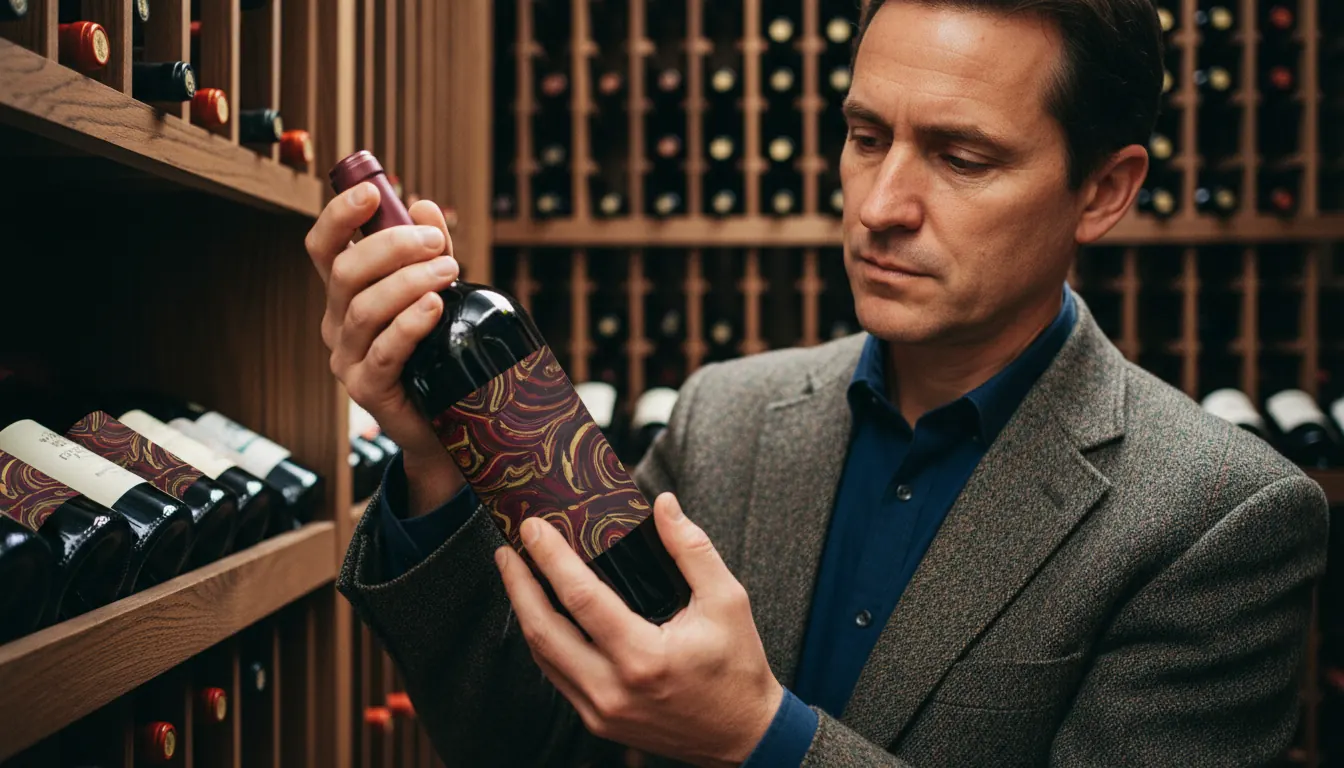
Linking Glass Experience with Vineyard Practice
The final product that reaches your glass is directly influenced by the decisions taken during the growing season. Ripeness and aromatics are impacted by canopy management. Acid balance and sugar levels are determined by the time of harvest. Decisions made during fermentation influence the integration of texture and flavor. Wine choosing becomes less enigmatic and more logical when you comprehend these links. In the same way that a skilled casino player can discern tiny cues that reveal strength or weakness, you start to recognize the telltale signs of meticulous farming and attentive winemaking.
Making Confident Wine Selections
The same commitment that makes one an expert in any discipline is needed to develop confidence in wine selecting. Make a conscious effort to taste, noting what you like and dislike. Investigate various growers and geographical areas within a same variety. Learn about winemaking principles and growth circumstances. Preferences solidify and patterns appear over time. Increased enjoyment and the gratification of making decisions that regularly result in high-quality experiences are two ways that investing in learning pays off.

Like winning at the casino, choosing great wine, especially unique varieties like Viognier, requires strategic thought. Both domains penalize rash decisions made without sufficient thought and reward knowledge, patience, and the ability to recognize patterns. You may choose the greatest expressions and make consistently satisfying wine choices if you know what makes Viognier special—its criteria for balance, textural richness, and aromatic intensity.
Frequently Asked Questions
What does Viognier wine taste like?
Viognier wine taste is characterized by strong aromatic notes of apricot, peach, honeysuckle, and orange flower, with occasional hints of tangerine peel, ginger, or nutmeg. It has a fuller body than most white wines, with a creamy, almost viscous mouthfeel that coats the palate without feeling heavy, offering both aromatic complexity and textural richness.
What is the best price range for quality Viognier wine?
For high-quality Viognier, budget at least $20 for domestic options. California producers in regions like Paso Robles, Santa Barbara, and the Sierra Foothills offer exceptional value in the $25 to $40 range. French Condrieu commands premium prices from $40 to over $100, while Australian Viognier frequently offers excellent quality at affordable costs between $12 and $35.
How should I select the best Viognier wine?
Look for bottles with balanced characteristics where no single feature dominates. Check that the vintage is within the last one to three years, alcohol content is between 13-14.5% ABV, and the label provides specific vineyard information rather than vague geographical designations. The wine should exhibit aromatic complexity with restraint rather than overwhelming intensity.
What regions produce the best Viognier wines?
The French Rhône Valley, particularly the Condrieu and Château-Grillet appellations, is the birthplace of Viognier and produces rich, mineral-driven wines. California regions like Paso Robles and Santa Barbara offer fruit-forward, tropical expressions with excellent value. Australia produces bold, luscious styles, while Washington State creates balanced, citrus-forward versions.
How does casino strategy relate to wine selection?
Both casino strategy and wine selection reward knowledge, patience, and pattern recognition while penalizing hasty decisions. Just as skilled casino players analyze odds and trends rather than relying on luck, successful wine selection requires understanding terroir, varietals, and production techniques. Both disciplines benefit from learning the basics before making significant investments and recognizing that value and price are not necessarily related.