
Wine and the Role of Winemaking in Casino Dining Culture
Fine wine and casino food have come together to form a sophisticated culture dining experience that goes beyond the betting floor. These days, modern gambling restaurants are places where delicious food and expert winemaking come together, making places where people can enjoy both great fun and high-class meals. The amount of care that casinos now put into their food and drink programs is clear when you look at how things like wine selection, organic winemaking, and knowledgeable service add to this culture.
Making Wine and How Casino Dining Has Changed Over Time
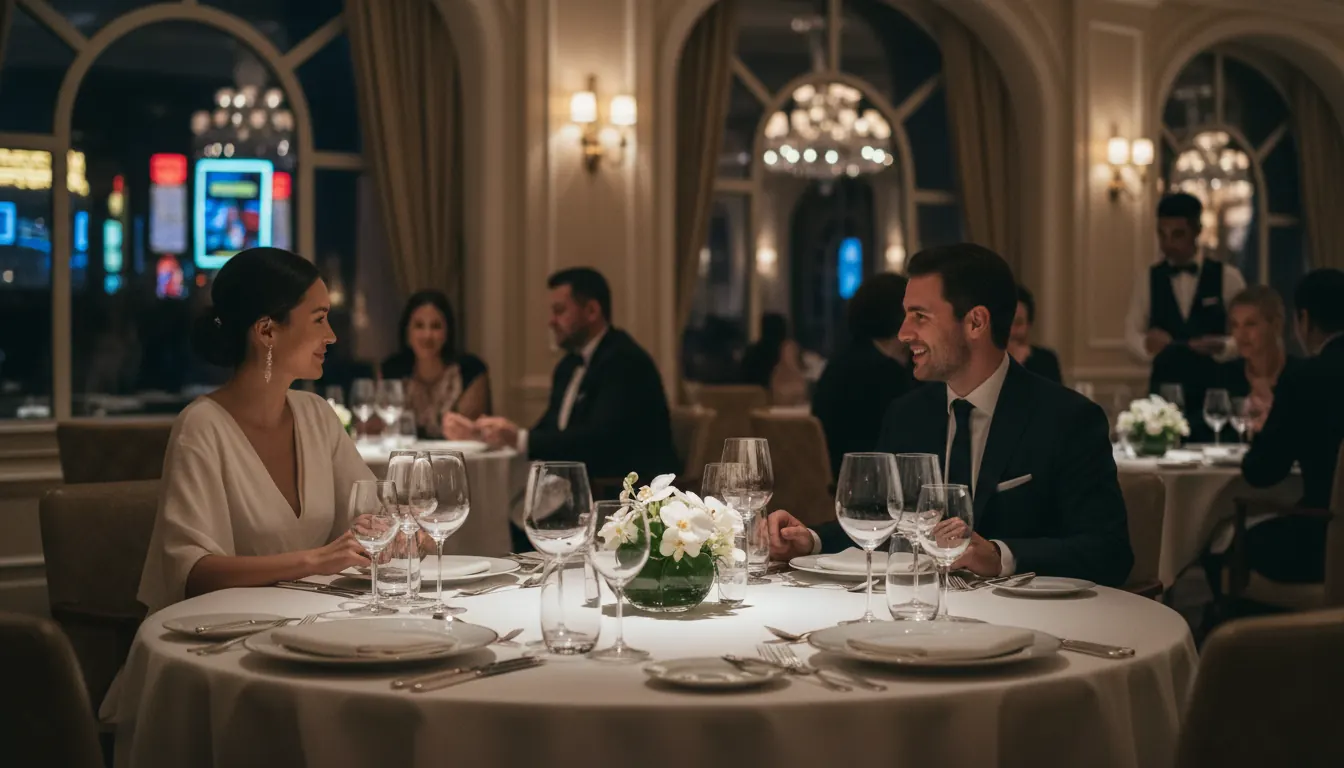
Within the last thirty years, casino eating has changed a great deal. What used to be mostly buffets and quick-service restaurants has changed into a scene with famous cooks, wine lists put together by sommeliers, and eating experiences that are on par with those at standalone fine dining restaurants. This change comes from a wider shift in what people expect and the gaming business realizing that great food and drinks can be just as appealing as the casino floor itself.
The winemaking business has been very important in this change. As casinos started to hire famous cooks and create high-end restaurants, they also put money into building wine rooms that could support complex pairing programs. Wine directors at big casinos now keep track of millions of dollars' worth of inventory, which includes both rare vintages and easy-to-find bottles that suit a wide range of tastes and budgets.
What Gaming and Fine Dining Have to Do With Each Other
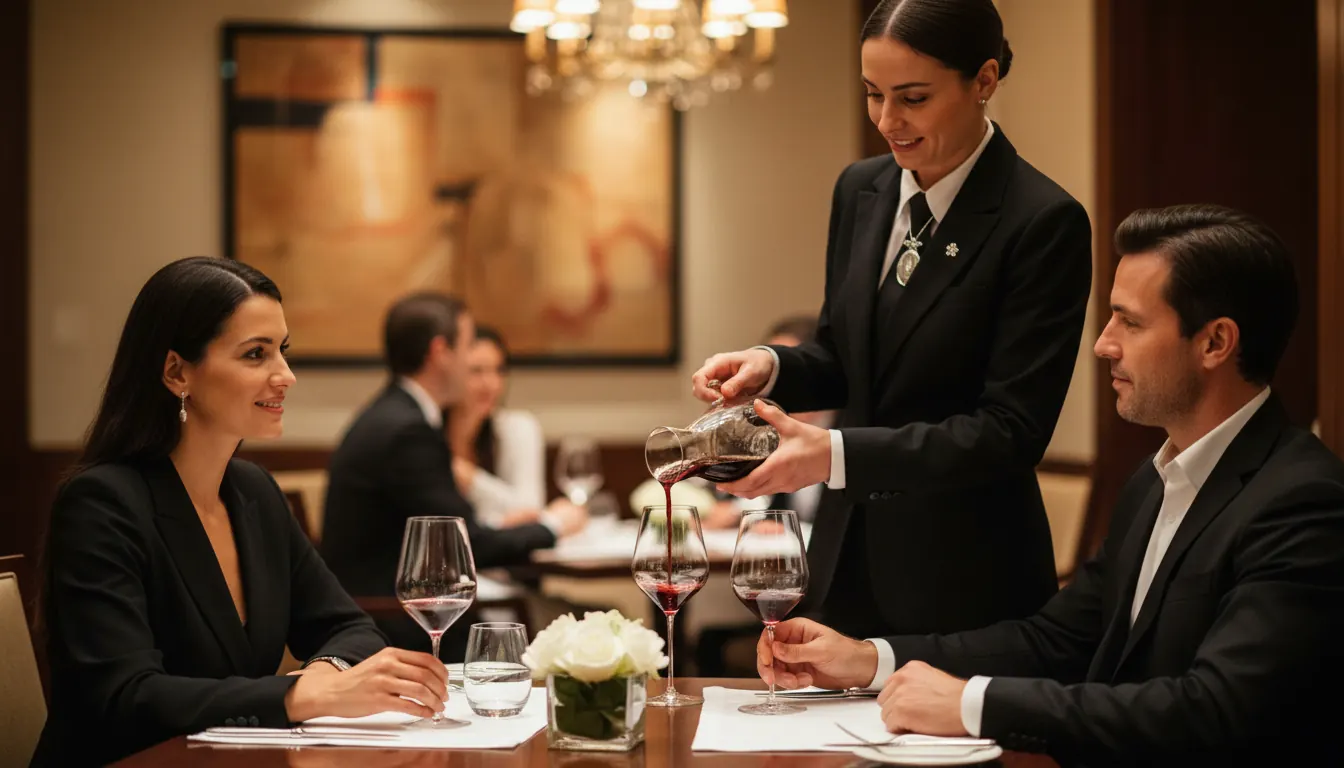
Casinos have learned that customers who have great eating experiences tend to stay longer and come back more often. Serving wine adds to this effect by making times memorable that happen outside of the game tables. Sharing a well-chosen bottle of wine over dinner becomes part of the casino experience as a whole, making guests happier in ways that go beyond the fun of gambling.
Putting Together Wine Programs That Meet Quality Standards
Casino wine programs that work well balance a lot of different needs. They have to have a wide enough selection of wines to please wine experts while still being easy for regular people to understand. Many properties do this by organizing their lists around food-friendly choices, like wines from different countries that go well with the signature dishes at their restaurants. For guests who want to know more about the wine they're drinking, teaching staff how to talk about the winemaking process and the traits of the area is helpful.
The popularity of places like happyjokers casino shows how advanced beverage programs are integrated into modern gambling locations' general hospitality model. By giving wine selection the same amount of attention as table games, these places make dining an attraction in and of itself, bringing in people who might have gone to a regular restaurant instead of a casino-based one.
- Staff training classes on wine make service better and keep guests happy.
- A well-thought-out wine list matches high-end brands with affordable options.
- Temperature-controlled storage units protect wine purchases and make sure that wines are served in the right way.
- Sommelier jobs are now common in high-end gambling restaurants.
- Wine pairing menus set up organized eating experiences that show off both food and drink.
- Updates to the wine list are made on a regular basis to reflect seasonal supply and new winemaking trends.
- Through partnership programs with wineries, you can get limited-edition wines that no one else can.
Fine Dining in Casinos and Why Wine Selection Is Important
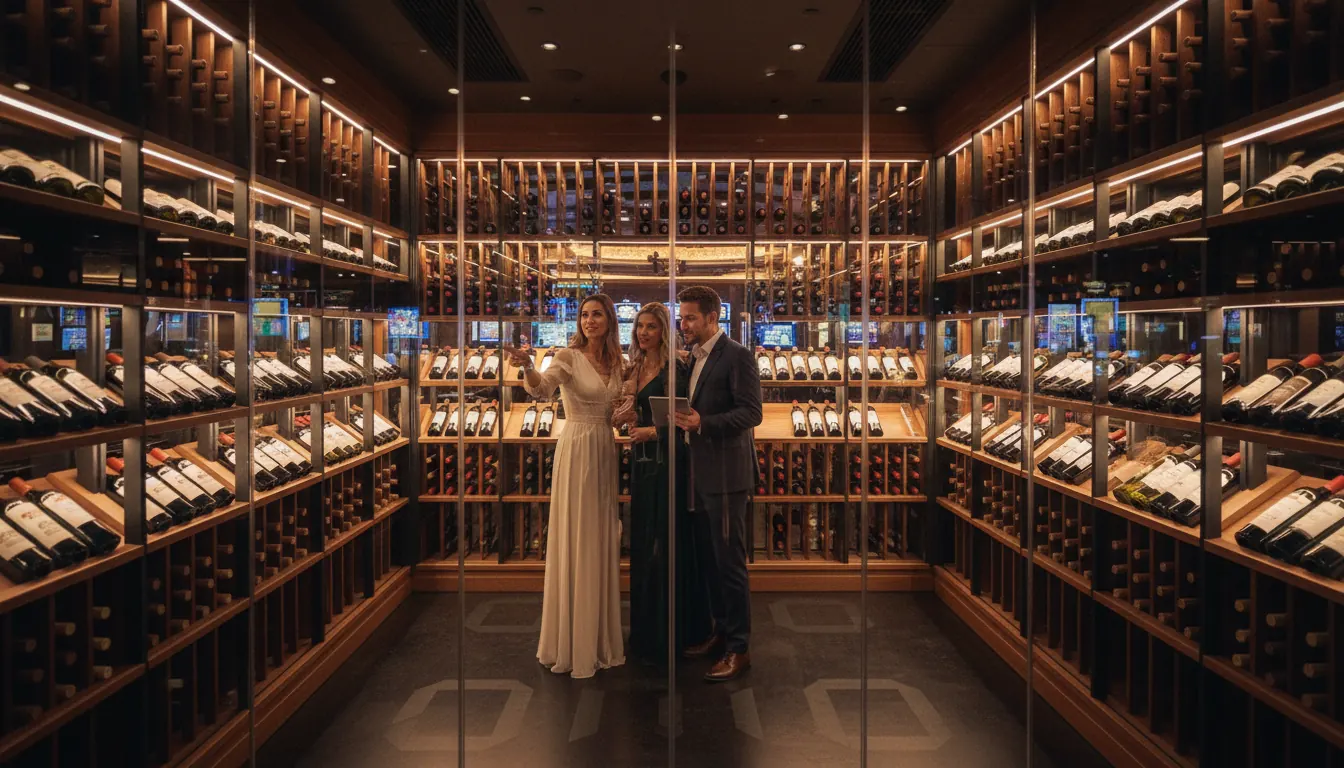
The choice of wine at a gambling restaurant serves more than one purpose. It improves the food, yes, but it also shows that the business cares about quality, gives customers a chance to learn, and makes extra income that goes along with food sales. Being aware of how gambling places choose wines can help you understand how they plan their drink lists.
Planned Growth of Wine Lists
| Category of Choice | Things to Think About | Effects on How Guests Feel |
|---|---|---|
| Program for By-the-Glass | Frequency of rotation, range, and price points | Easy for casual eaters to get to, less effort |
| List of Reserves | Investment-grade bottles from rare vintages | Prestige factor, draw for special events |
| Area of Focus | Local winemakers and new wine areas | One-of-a-kind items and chances to tell stories |
| Putting Together Food Pairings | Menu consistency, working together with the chef | Better flavors and a led eating experience |
The wine directors at casinos often work closely with the chief cooks to make sure that the wines they choose go well with the food that is served. This partnership could include pre-opening tests where food and wine are paired and tried, or regular updates about changes in the menu that need to be made to the wine list because of the seasons. Ideally, the wine will improve the food and the food will improve the wine, making the whole dinner experience better than either could be on its own.
How Presentation and Service Play a Part
It's just as important how the wine is served as what's on the list. Having the right glasses, serving food at the right temperature, and staff who know a lot about winemaking techniques and the area's unique traits all help make guests happy. Many casino restaurants train their servers to be sommeliers so that even customers who don't order from the reserve list get good advice about the wines they should choose.
"The best casino wine programs don't just stock expensive bottles; they create experiences where guests learn something new while having fun."
A easy dinner can become an unforgettable evening when the host can explain why a certain wine goes well with a dish or provide information about the winemaking process.
Making Organic Wine and Meeting Modern Food Standards
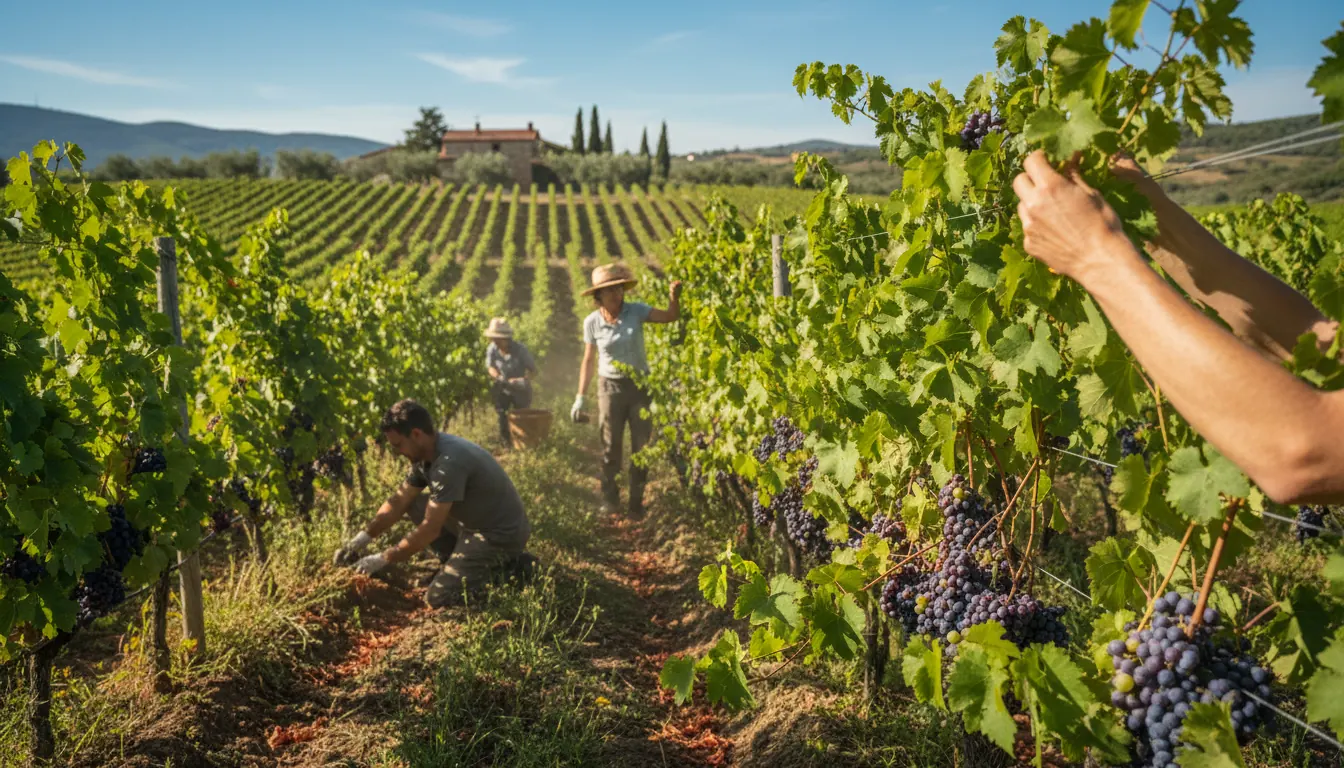
The fact that people want healthy and environmentally friendly goods has had a big impact on casino wine programs. As people become more aware of how their food is made, they are also paying more attention to how their wine is made. Organic winemaking practices don't use manmade pesticides or fertilizers and focus on healthy soil and caring for the environment. These practices are in line with larger food service trends toward openness and sustainability.
In response, restaurants in casinos have added more organic wines to their lists. This change is a result of both customer desire and the fact that organic winemaking frequently results in unique wines with interesting stories to tell. Wines made from organically grown grapes often show region more clearly than wines made from conventionally farmed grapes. They make for interesting conversations that improve the eating experience.
How to Understand Organic Certification in Wine
Organic wine licensing has strict rules that vary by area but usually mean that farms can't use any synthetic chemicals on their grapes for at least three years before they can be labeled as organic. Some growers take it a step further by using biodynamic methods that treat the field as a whole environment. When these methods are used, the wines often have special qualities that sommeliers can point out when they make suggestions.
Trends in the Market and What Consumers Want
These days, people want to know more about how food is made. Casino places that serve both regular and organic food and drinks are in a good situation to meet the needs of a wide range of customers. Some properties have separate areas on their wine lists for organic wines, while others include these choices throughout their entire selection, putting them there based on quality and fit rather than the method of production.
- For organic winemaking, synthetic fertilizers and chemicals are not used in the vineyards.
- Biodynamic farming uses the moon cycles and a whole-person approach to grapevine health.
- In natural winemaking, as little as possible is done during fermentation and aging.
- Beyond organic standards, sustainable certificates look at a wider range of environmental effects.
- The goal of regenerative agriculture is to improve the health of the land and the environment.
- Low-intervention winemaking keeps the grape's personality while adding few extras.
"Guests like knowing that the wines they choose support practices that are good for the environment. There is a big change happening in the way winemakers think about their bond with the land and the wines they make with organic winemaking."
Talk About Cicada Wine and Making Wine at the Table
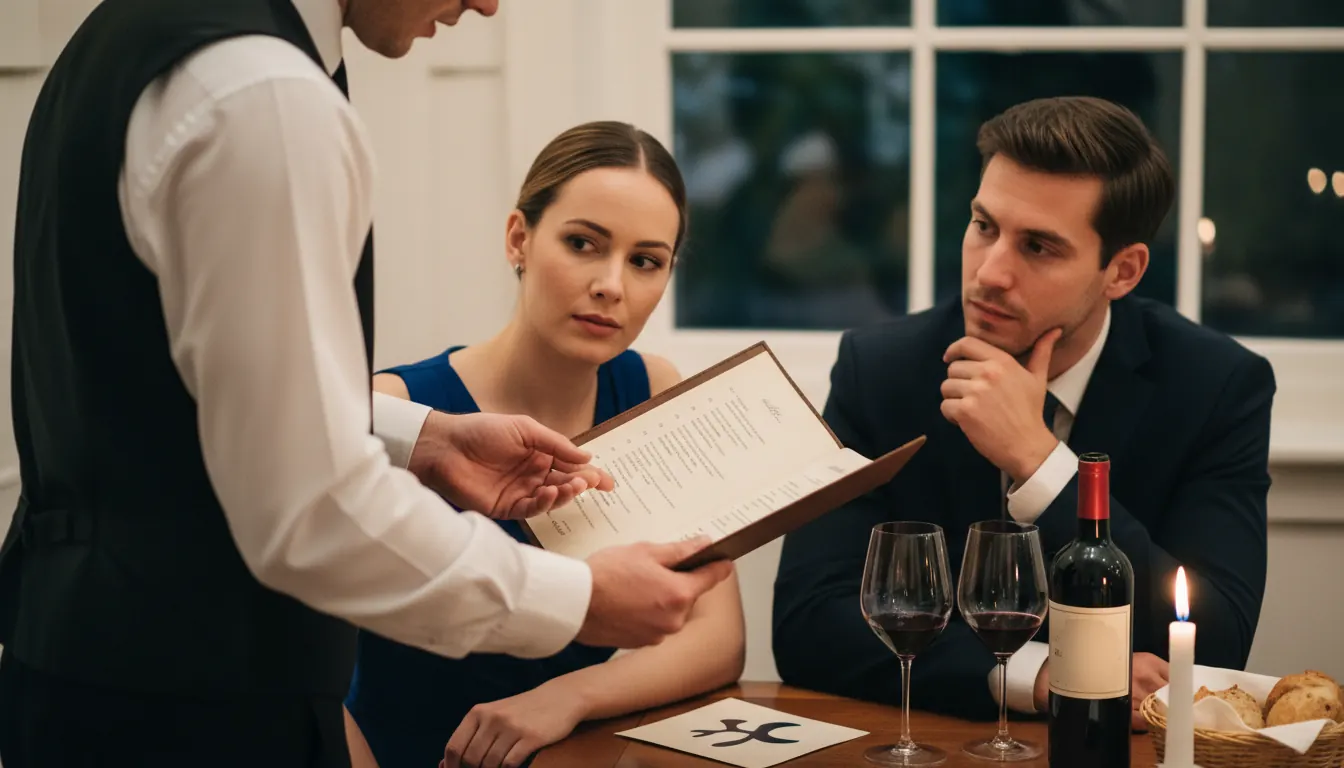
Talking about wine at a restaurant makes choosing a drink more enjoyable by turning it from an easy task to an interesting conversation. When waiters can talk about winemaking techniques, regional traits, and the stories behind specific bottles, they build ties that make meals more memorable. This "winemaking talk" needs understanding, but what's more important is being able to share information in a way that is interesting and easy to understand.
Getting Guests Interested by Talking About Wine
| Subject | Guest Appeal | Method of Service |
|---|---|---|
| Methods for Making Wine | Getting to know what makes drinks unique | Clear answers without a lot of words |
| Characteristics of the Area | Finding new places to make wine | Putting together location and taste profiles |
| Rules for Pairing Foods | Getting the most out of their food | Based on the food choices, useful ideas |
| Changes in the Vintage | Understanding wine as farming | Getting into how weather changes wine quality |
| Producer Thoughts | Finding out about the people who make wine | Sharing interesting facts about people who make wine |
A good winemaking talk strikes a mix between education and fun. Guests don't need to be told about malolactic fermentation or brix levels, but they often like hearing about why a certain wine tastes the way it does or how the way it was made affects its flavor. The best hosts know what their guests are interested in and change how they talk to them based on that. They give just the right amount of information to make people appreciate it without giving too much.
Talking about wine also gives you a chance to show your friends wines they might not have thought of otherwise. A short description of how cicada wine, or any other unique wine, is made can get people interested and encourage them to try new things. These surprises add to the sense of excitement that many people look for when they eat at casino places.
How to Make Memorable Wine Experiences
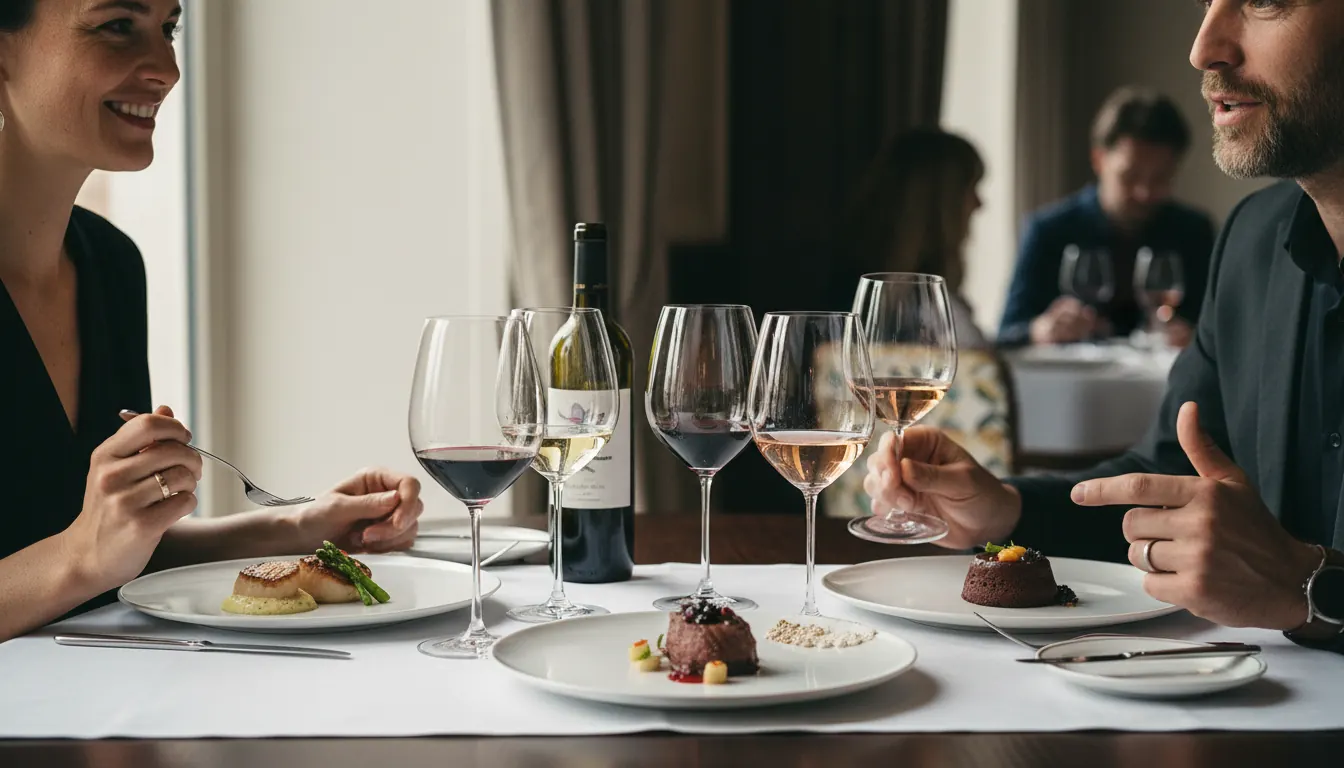
The dining culture of casinos loves making moments that stand out. A great meal can be made even better with the right wine suggestion and just the right amount of background information to keep things interesting. Service staff can become wine champions by focusing on training programs that encourage storytelling and getting guests involved. These ambassadors improve the overall eating experience, build customer trust, and encourage people to come back.
Conclusion
A clever development in hospitality can be seen in the connection between winemaking and casino dining culture. By giving wine the same attention as food, casinos have made seating areas that appeal to picky customers who value quality, knowledge, and experience. Wine programs improve casino eating in ways that are good for both guests and businesses. They can do this by offering organic options, educational services, or carefully chosen lists.
Frequently Asked Questions
What is the role of winemaking in modern casino dining culture?
Winemaking plays a crucial role in casino dining culture by elevating the overall guest experience. Modern casinos invest in extensive wine programs, including carefully curated wine lists, sommelier services, and wine pairing menus. This focus on wine selection demonstrates a commitment to quality and creates memorable dining experiences that encourage guests to stay longer and return more frequently.
How has casino dining evolved over the past thirty years?
Casino dining has transformed from primarily buffets and quick-service options to sophisticated fine dining experiences. This evolution includes celebrity chef restaurants, sommelier-curated wine lists, and dining experiences comparable to standalone fine dining establishments. The gaming industry recognized that exceptional food and beverage programs can be just as attractive as the casino floor itself.
What is organic winemaking and why is it important in casino restaurants?
Organic winemaking avoids synthetic pesticides and fertilizers, focusing on soil health and environmental stewardship. Casino restaurants have added organic wines to their programs in response to consumer demand for sustainable and environmentally friendly products. Organic wines often express regional characteristics more clearly and provide interesting conversation topics that enhance the dining experience.
What is winemaking talk and how does it improve the dining experience?
Winemaking talk refers to conversations between service staff and guests about wine production techniques, regional characteristics, and the stories behind specific bottles. This dialogue transforms wine selection from a simple transaction into an engaging conversation, helping build connections and making meals more memorable. Effective winemaking talk balances education with entertainment, providing just enough information to enhance appreciation without overwhelming guests.
How do casinos develop their wine programs to meet different guest needs?
Casinos develop wine programs by balancing diverse needs through strategic selection. They organize lists around food-friendly options, offer by-the-glass programs for casual diners, maintain reserve lists with rare vintages for special occasions, feature regional focus wines for unique storytelling opportunities, and create food pairing programs in collaboration with chefs. Wine directors work closely with culinary teams to ensure selections complement the menu offerings.