
Wine Variety Guide: How Cicada Cellars Wines Fit into Modern Casino Culture
Lately, wine culture has changed a lot, moving from standard restaurant settings to a wider range of social situations. Today's wine lovers can find good choices in places like high-end bars and entertainment spots. Knowledge of wine variety, from choosing the grapes to the end drink, gives customers the courage to move through these changing areas. Explore how various types of wine, including those from Cicada Cellars, fit into modern daily life in this guide.
An Assortment of Wines in Social and Entertainment Settings

Today's wine experience includes a lot more than just tours of vineyards and official tastes. Wine is now a common drink in places like music halls, discos, golf courses, and leisure sites where people want a more mature drink. Consumers are shifting their tastes toward more advanced experiences in more casual settings.
The Meeting Place of Wine Culture and Gaming Spaces
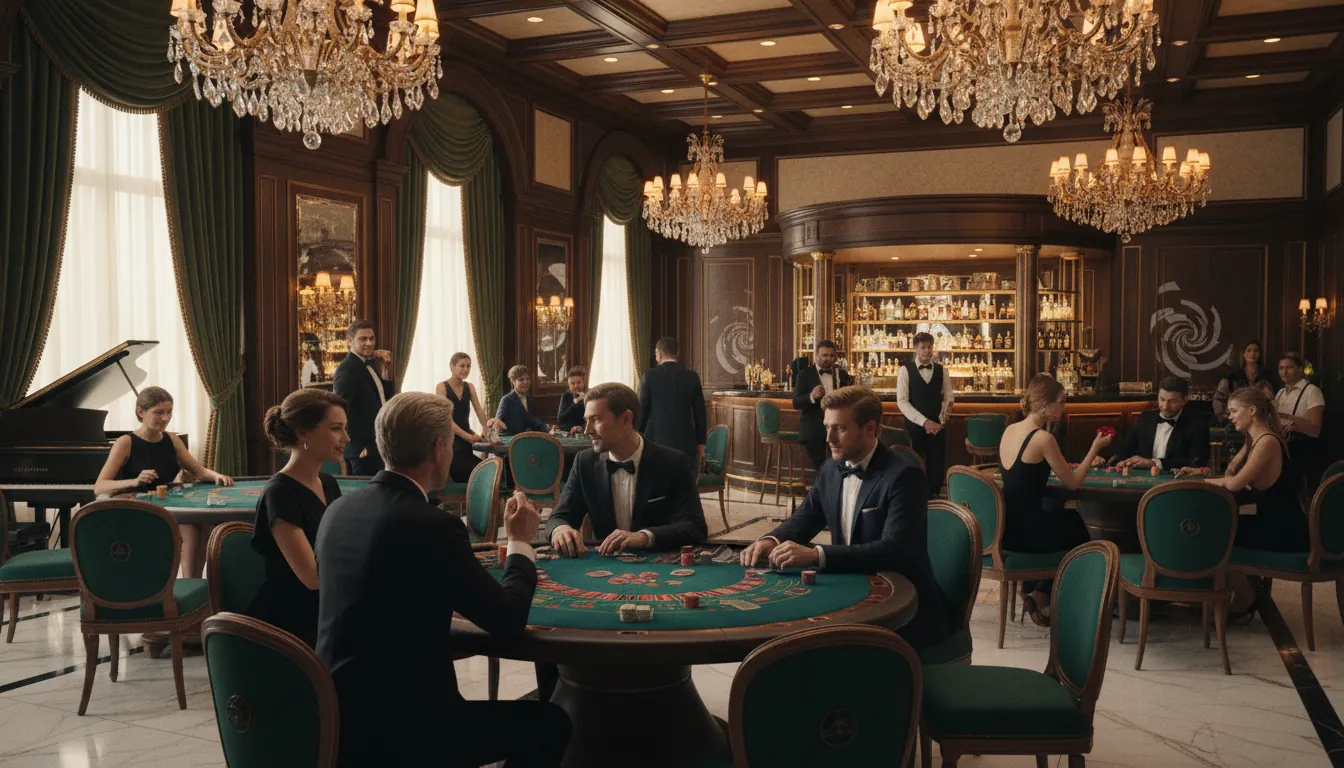
Luxury casinos are realizing more and more that wine is an important part of their catering services. Recognizing that sophisticated customers value quality experiences, even online entertainment platforms like ringospin casino are partnering with premium wineries for promotional offerings and branded experiences. Overall, this trend is similar to larger changes in the hotel industry, where having wine makes the guest experience better instead of being a minor factor.
Social Preferences and Wine Vouchers
Today's wine buyers don't follow strict rules when choosing wines. Instead, they choose wines based on circumstance, mood, and setting. Many things affect these choices:
- Atmosphere compatibility: semi-dry wines for daytime get-togethers and fuller-bodied wines for evening events
- Food matching versatility: a range of options that go well with different types of food in entertainment places
- Approachable wines that don't take a lot of understanding to enjoy
- Value perception: Good products at fair prices for long social events or gatherings
- Brand recognition: well-known wineries like Cicada Cellars that display consistent quality
- Seasonality: soft whites for summer and full-bodied reds for fall and winter
Spreading wine culture to more people has made high-quality wines available in places where beer and spirits used to be the norm. Accessibility has led to more people trying good wine in comfortable settings.
The Role of Wine Grape Variety in Cicada Wine
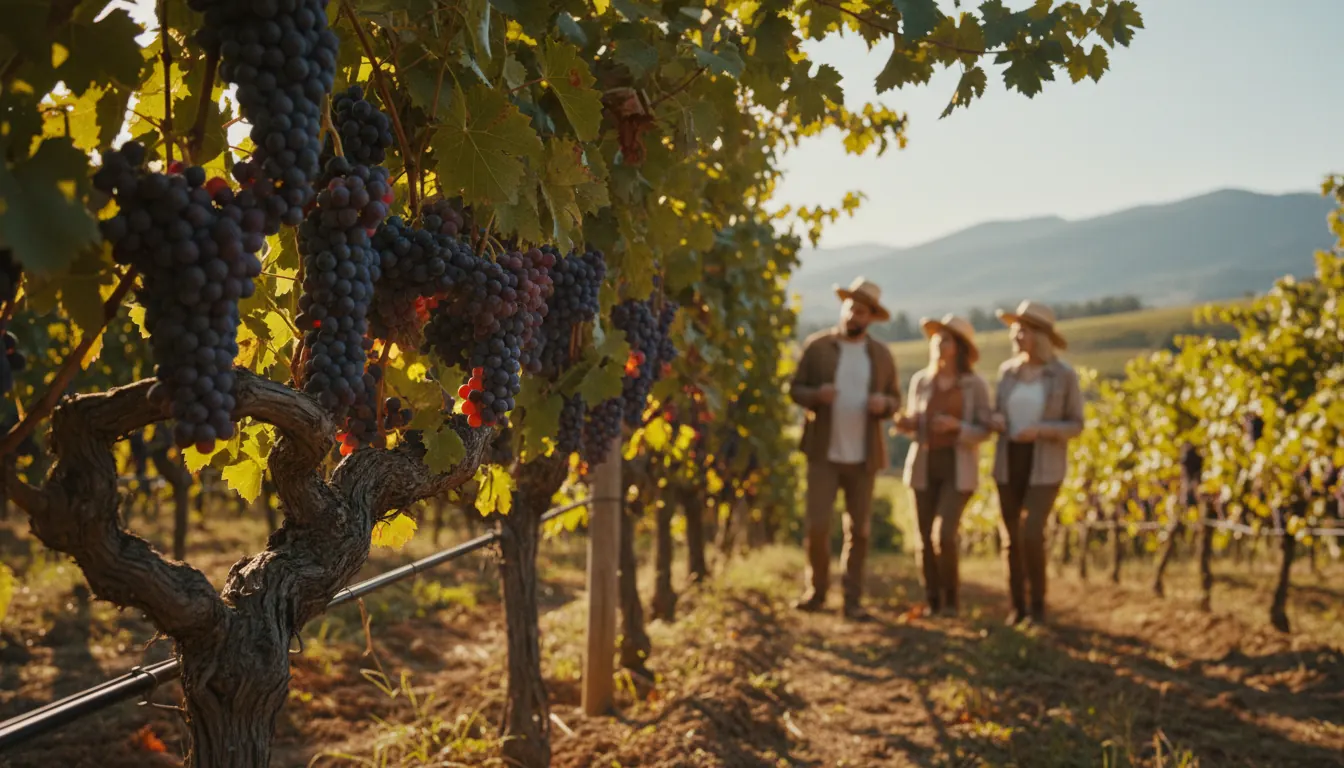
To appreciate any wine, including those made by Cicada Cellars, one must first understand wine grape variety. Basic qualities like aroma patterns, flavor strength, tannin structure, and aging potential are all affected by the type of grape used. Depending on the temperature and land, different grapes do better than others, which leads to unique regional styles.
How Cicada Cellars Chooses Vineyard Varieties
By carefully choosing which grapes to grow, Cicada Cellars emphasizes the representation of country. Usually, their selection includes both well-known foreign types and unique regional wines that show off the character of the area. Customers who want stable favorites and people who want to try new tastes will both benefit from this sensible approach.
Due to the winery's dedication to variety-specific bottling, each grape type can show off its own unique qualities. With this approach, winemakers don't mix a lot of different grape types together. Instead, they let people feel the pure expression of each grape variety. Transparency in production like this is appealing to well-informed customers who value sincerity.
Characteristics of Common Grape Varieties
| Grape Variety | Wine Type | Flavor Profile | Perfect Serving Situation |
|---|---|---|---|
| Chardonnay | White | Apple, butter, vanilla | Seafood meals, afternoon get-togethers |
| Sauvignon Blanc | White | Grass, citrus, and minerals | Light snacks, nice weather |
| Pinot Noir | Red | Cherry, earth, and a hint of spice | Flexible food pairings, fancy events |
| Cabernet Sauvignon | Red | Blackcurrant, cedar, structured tannins | Steak dinners and aged cheese |
| Syrah/Shiraz | Red | Dark fruit, pepper, complex body | Griddled meats and filling foods |
For different situations, each type has its own unique traits. By knowing these differences, you can make better choices when shopping for things to enjoy at home or to order at a social event.
"The beauty of focusing on wine grape variety lies in transparency—consumers know exactly what they're experiencing and can develop preferences based on varietal characteristics rather than marketing alone."
—A Viewpoint on Wine Education
Learning About the Different Types of White Wine for Modern Gatherings

From bone-dry to lusciously sweet, light-bodied to deeply textured, the white wine variety covers a wide range of styles. For modern social events where food choices change and people have different tastes, this variety makes white wines very useful.
A List of Popular White Wine Types for Social Situations
Despite being kept in French oak, Chardonnay is still the most famous white wine variety in the world. It comes in a wide range of styles, from crisp, unoaked wines to rich, buttery ones. In hot areas or with lighter foods, Sauvignon Blanc is especially good because of its energizing acidity and intense flavor. Despite being mistaken sometimes, Riesling can be very dry or very sweet, making it a great wine for a wide range of foods.
Daring shoppers are increasingly interested in lesser-known grape types like Albariño, Grüner Veltliner, and Vermentino. In addition to being approachable, these choices offer alternatives to more common ones. A lot of entertainment places now have at least one other white wine option to meet people's changing tastes.
Suggestions for Serving White Wine
Best practices for serving white wine include:
- Temperature control: Most white wines taste better when chilled to 45 to 50°F. However, fuller-bodied wines like old Chardonnay can be served a little warmer.
- Selecting glasses: For delicate styles, smaller bowls focus the scents, while wider glasses are better for stronger styles.
- Timing: White wines don't usually need to be decanted, so they can be served right away.
- Concerning oxidation: lighter whites keep their quality for two to three days after being opened if they are stored properly.
- Variety: White types go well with seafood, chicken, soups, and lighter veggie meals.
- Period appeal: Especially popular in the spring and summer, when cooling down is a top priority
These choices are especially good for places with a lot of customers and where quick appeal counts. White wine variety is widely available. Their lower tannin content also makes whites more approachable for people who are switching from beer or drinks.
Varieties of Red Wine and Their Role in Evening Wine Culture
Even though modern drinking habits are becoming more flexible, the red wine variety has usually dominated evening events and cooler seasons. While enjoying rich food and long social events, the tannin structure and bigger body of red wines make for a fulfilling experience.
Crucial Types of Red Wine and How to Use Them
For its structured tannins, ability to age well, and strong flavor profile, Cabernet Sauvignon is the most popular red wine in the world. As the opposite end of the range, Pinot Noir gives grace and flexibility with its soft tannins and rich aromas. For a wider range of people, Merlot's fruitiness is manageable, while Syrah's spicy sharpness is more intense.
Red Wine Choices for Entertainment Situations
| Variety | Body | Tannin Level | Best Occasions |
|---|---|---|---|
| Pinot Noir | Light-Medium | Low-Medium | Versatile, elegant events |
| Merlot | Medium-Full | Medium | Casual gatherings, everyday dining |
| Cabernet Sauvignon | Full | High | Special occasions, steak dinners |
| Zinfandel | Full | Medium-High | Barbecues, bold-flavored dishes |
When it comes to evening fun, red types are especially popular because they go well with food and make an atmosphere that's good for staying for a while.
"Red wine variety selection in hospitality settings requires balancing guest familiarity with opportunities for discovery—offering well-known names along with quality alternatives that provide talking points and memorable experiences."
—Insight: The Hospitality Industry
Varieties of Wine Show How Lifestyles Are Changing

Patterns of modern wine drinking show big changes in how people use wine in their daily lives. More casual drinking has replaced the formality that used to be associated with wine, making it easier to enjoy in a variety of settings. This openness to everyone has made the market bigger while still respecting quality and workmanship.
Casual Premium Consumption
Premium quality without pretense is what today's customers want. Customers do study before buying things online, want to know how things are made, and value real events over showing off their status. Like Cicada Cellars, other brands do well by consistently producing high-quality wines at reasonable prices. This means that good wine can be enjoyed on a regular basis, rather than just on special events.
Retail tactics, restaurant wine lists, and even gambling drink services have been changed by this change. Venues know that providing a high-quality wine variety improves the overall experience and encourages guests to stay longer. Beyond just being an addition, the wine becomes part of the fun.
Production Transparency and Sustainability
When choosing wine, modern customers think more and more about how it was made. Green buyers are interested in organic approval, healthy farming methods, and minimal involvement wineries. Understanding wine grape variety is directly related to these issues, as various kinds require different farming inputs and viticultural techniques.
Transparently talking about their practices helps wineries build trust among people who care about ethical purchasing. Generational changes in buying habits are reflected in this trend, which goes beyond wine and includes living choices as well. Along with licenses, thorough back labels, and internet tools that teach customers about production details, the wine business has reacted.
Since wine is enjoyed in a wide range of social settings, from formal dining rooms to modern entertainment places, it clearly has a lasting draw and is very flexible. Trends in living will continue to change, but wine variety will remain an important way for people to show their tastes and improve their experiences in all kinds of settings.
Being knowledgeable about the different types of wine lets people make smart choices that are perfect for any situation. Finding new grape types or looking at cicada wines, knowing the basic differences makes the experience more enjoyable and improves admiration. With this information, you can confidently choose from a growing number of choices as wine culture continues to spread to a wider range of social settings, from small meals to famous entertainment spots.
Frequently Asked Questions
What is wine variety and why is it important?
Wine variety refers to the specific type of grape used to make wine. Understanding wine grape variety is important because it affects the wine's aroma patterns, flavor strength, tannin structure, and aging potential. Different grape varieties produce wines with distinct characteristics, helping consumers make informed choices based on their preferences and the occasion.
How does Cicada Cellars select their grape varieties?
Cicada Cellars carefully chooses which grapes to grow, emphasizing regional representation. Their selection includes both well-known international varieties and unique regional wines that showcase local character. The winery practices variety-specific bottling, allowing each grape type to display its own unique qualities without blending multiple varieties together.
What are the main differences between white wine variety and red wine variety?
White wine variety typically ranges from bone-dry to sweet, with lighter body and higher acidity, making them ideal for warmer weather and lighter foods. Red wine variety generally has more tannins, fuller body, and is better suited for evening events and richer foods. White wines are often served chilled and don't require decanting, while red wines benefit from proper temperature control and sometimes aeration.
How has wine culture changed in modern entertainment settings?
Wine culture has expanded beyond traditional restaurant settings to include music halls, golf courses, and even online entertainment platforms. Luxury casinos and entertainment venues now recognize wine as an important part of their services. Some online platforms like Ringospin Casino are partnering with premium wineries for promotional offerings, reflecting how wine has become integrated into diverse leisure activities.
What factors should I consider when choosing wine for social occasions?
Key factors include atmosphere compatibility (lighter wines for daytime, fuller-bodied for evening), food matching versatility, approachability for guests unfamiliar with wine, value perception for longer events, brand recognition for consistency, and seasonality (whites for summer, reds for fall and winter). Modern wine buyers choose based on circumstance, mood, and setting rather than strict rules.