From Vintages Handcrafted Wine to Casino Strategy Why Patience Matters
In a world that is obsessed with speed and getting things done right away, vintages handcrafted wine is a lesson that you can't rush quality. Patience isn't just a good thing at Cicada Cellars; it's what makes every bottle possible. This idea of making slow, deliberate choices applies outside of vineyards as well. It affects everything from making small batch wine to playing strategically at casinos, where time and control are often the difference between winning and losing.
Why you need to be patient when making handcrafted wine at Cicada Cellars
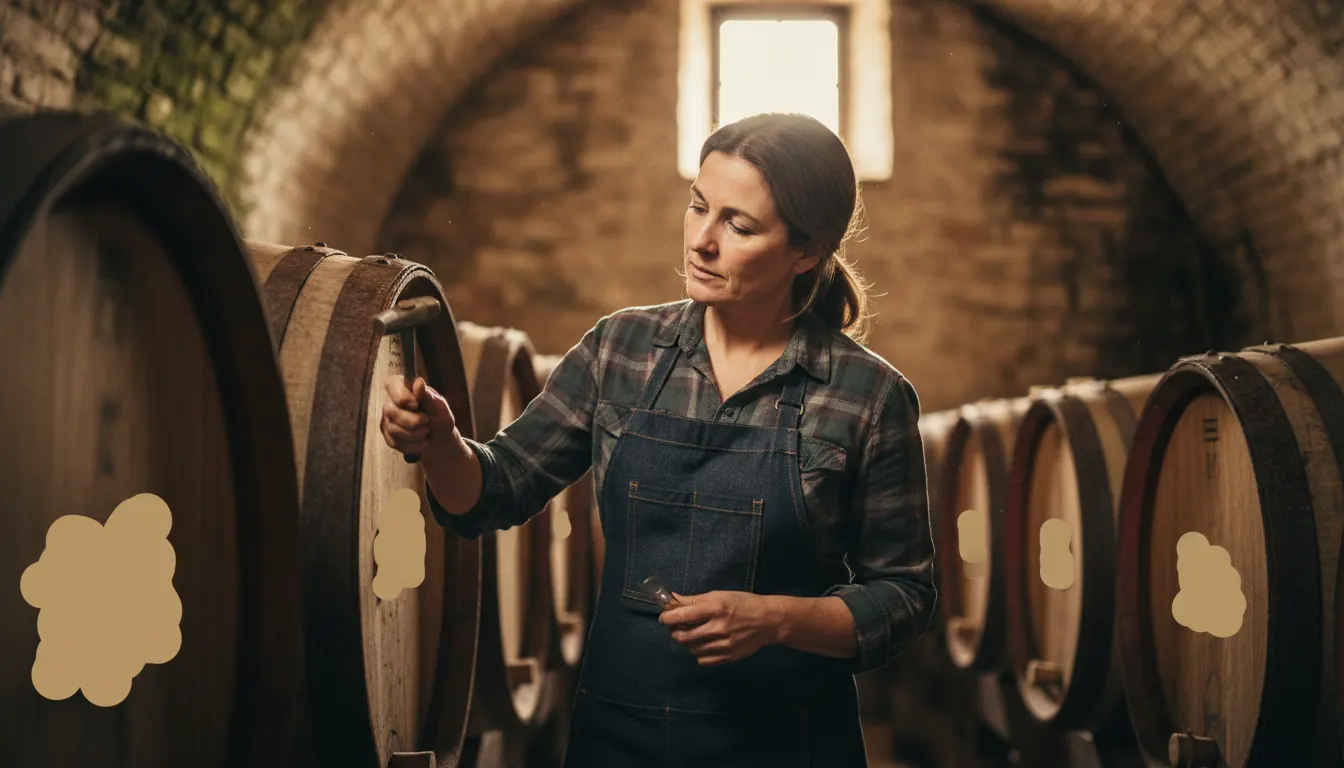
Cicada Cellars has built its name on the idea that time is more important than quantity. Handcrafted wine needs human care at every stage, unlike industrial wineries that use automatic systems to process thousands of cases. Winemakers make a lot of small choices that affect the end product, from keeping an eye on fermentation temperatures to choosing the exact time to bottle. This method requires time because quick fixes always hurt the richness of flavors and the depth of smells.
The farm follows nature's schedule instead of what the market wants. The weather, the land, and the amount of sun the grapes get all affect when they ripen. These are all things that the brewer can't change. If you harvest too early, the tastes will be sour and not fully formed, and if you wait too long, the fruit could become too ripe. To keep this sensitive balance, producers have to watch, taste, and wait until everything is just right. The same caution is needed when the wine is aged. After months or years in wood barrels, the tannins relax and the flavors blend.
How to Understand the Small Batch Wine Philosophy
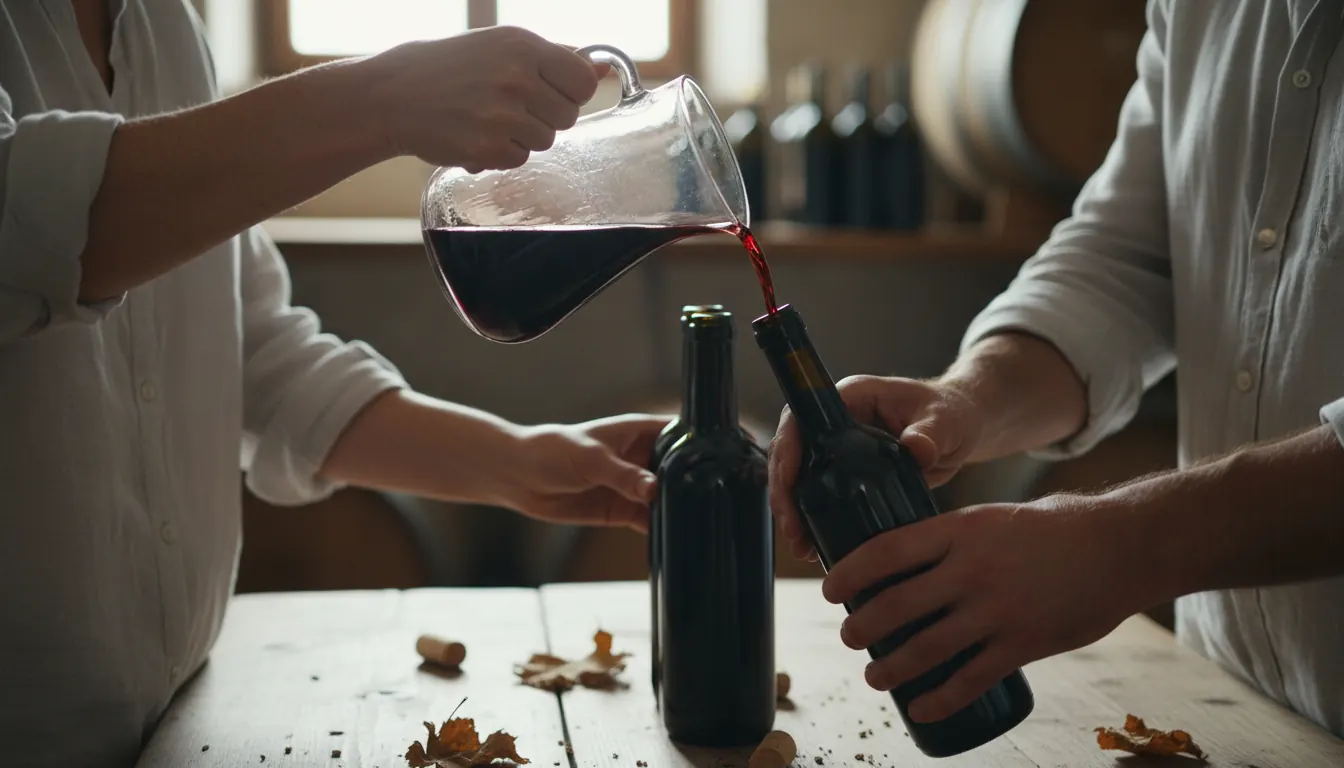
Making small amounts of wine is a choice to reject speed in favor of quality. Winemakers can keep an eye on each barrel individually because production runs rarely go over a few hundred cases. With this much care, small differences become clear that would be lost in large-scale activities. A barrel from the north side of the cellar might grow in a way that is different from one from the south. Small batch producers can react to these differences by making specific changes.
Because it's cheaper to make small batches, you also have to be patient. Since there isn't enough space to hide mistakes, every choice has weight. It's not possible for winemakers to rush through steps like malolactic fermentation or cold stabilization. Instead of adding things or changing the temperature to speed up chemical processes, they wait for them to finish on their own. These wines have cleaner flavors and can age better because they are made at a slower pace.
Important Choices That Determine the Quality of Handcrafted Wine
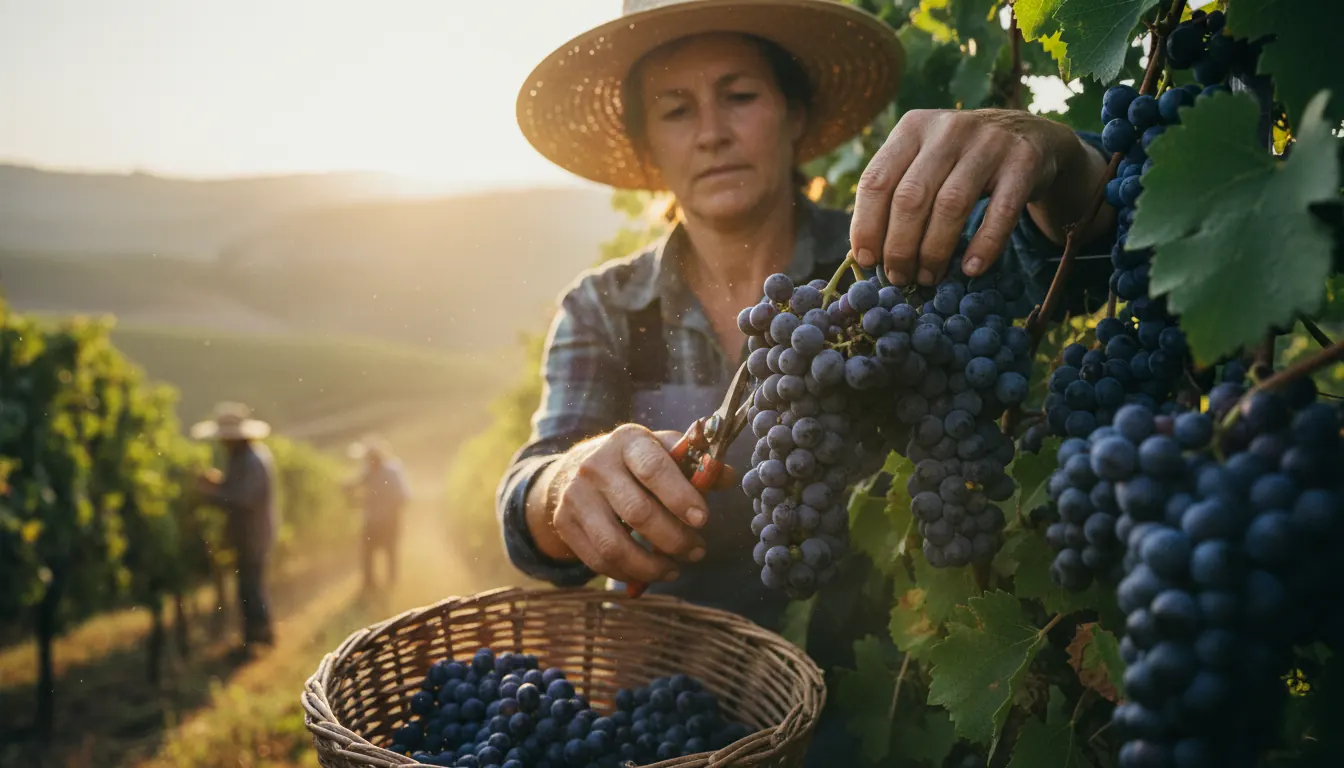
- When to harvest: waiting for the best mix of sugar and acid instead of planning around tools availability
- Length of fermentation: letting natural yeast work at its own pace instead of speeding things up with industrial strains
- Picking a barrel: Picking wood based on long-term flavor goals, not short-term cost saves
- Tests of blending: It took weeks of trying out different combos to find the right balance.
- Bottle aging: means delaying releases until wines are at their peak, which means giving up short-term cash flow.
- Controlling the temperature: means making small changes over time to protect delicate aromas.
- Methods of clarification: Instead of harsh filtering, using gravity and time
Why time and accuracy are important for making Vintages handcrafted wine
One of the best things about handcrafted wine is that it can vary from vintage to vintage. The weather makes the grapes have a unique mark each year, and skilled wineries work to bring out these differences instead of hiding them. When it's hot and dry in the summer, the fruit is concentrated and the tannins are strong. When it's cool and wet, the fruit is less concentrated and the tannins are weaker. Industrial wineries mix wines from different vintages to keep things consistent, but handcrafted wineries see these differences as part of what makes them unique.
For handcrafted wine, accuracy is needed in everything from measuring to keeping an eye on things. During production, winemakers keep an eye on Brix levels (which show how much sugar is in the wine), pH, total acidity, and free sulfur dioxide. You can use these numbers to help you decide when to press, rack, and bottle. But data alone can't take the place of visual judgment. During key stages, experienced winemakers taste their wines several times a day to pick up on changes in flavor development that machines can't pick up.
Seeing how long it takes to make different types of wine
| Type of Wine | Minimum Production Time | Ageing in Oak Time | Ageing in Bottle Before Release |
|---|---|---|---|
| White light | 4 to 6 months | Zero or at least three months | White Body Whole |
| 8 to 12 months | 3-6 months | Rosé | 3-5 months |
| 6–9 months | None for 1 to 2 months | Medium Red | 12 to 18 months |
| 9 to 12 months | 6 to 12 months | Reserve Red | 24 to 36 months |
| 18 to 24 months | 12 to 24 months |
That's why you need to be patient when making handcrafted wine. People might not be able to buy a special red wine until three years after it was picked. During that time, the winemaker has spent time, money, and space on keeping without making any money. These standards can only be kept up by makers who are willing to wait.
What Science Says About Slow Fermentation
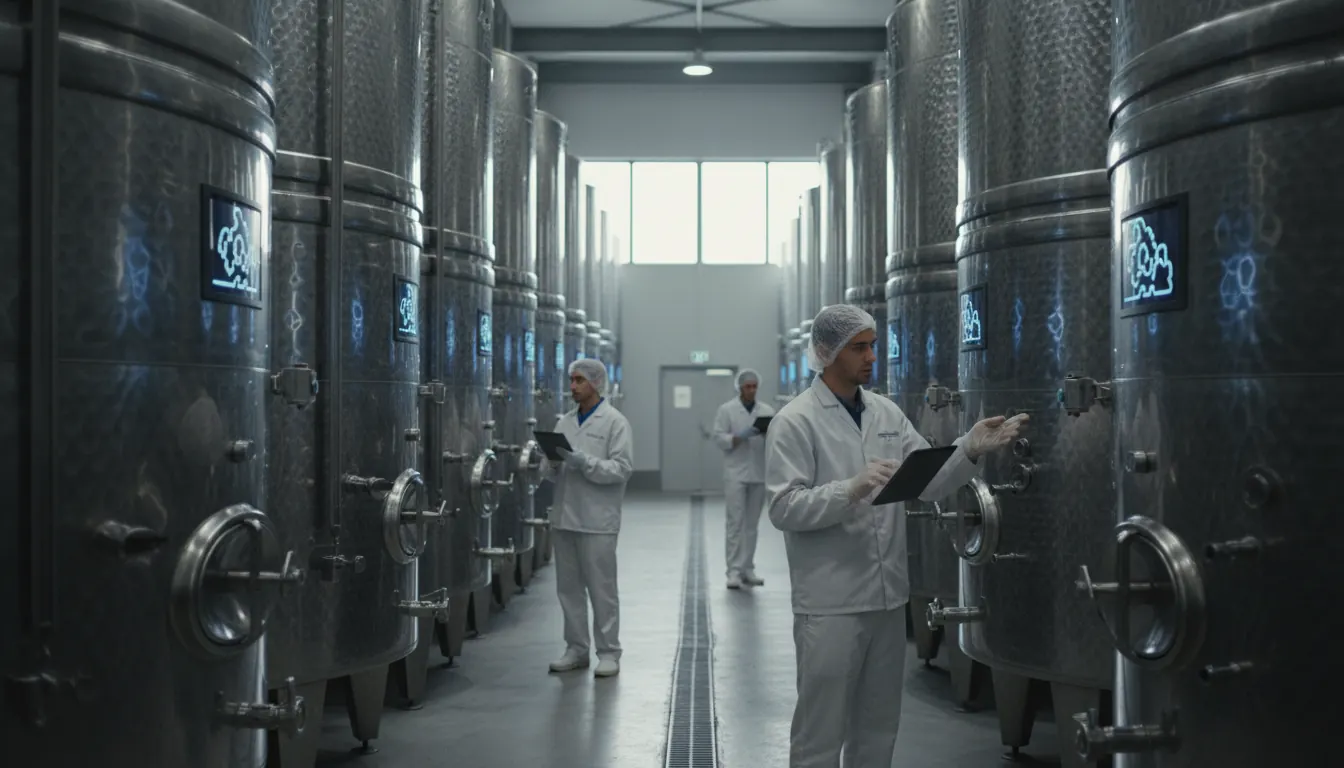
How a wine tastes is greatly affected by how fast it ferments. Most of the time, fermentations with wild yeast take three to four weeks, while commercial types only need five to seven days. This longer time frame lets more complicated ester growth happen and better phenolic compound blending happen. Slow fermentation also makes less heat, which keeps volatile aromas that would have evaporated otherwise. This makes wine with many layers of tastes that don't all hit at once but rather build up over time.
"In the winemaking process, patience is not just waiting; it's also actively observing. Every day you don't step in is just as important as the days you do."
— A top winemaker in Napa Valley
Making small amounts of wine when slowing down makes the quality better
Making wine in small batches lets you try new things that you can't do with large-scale activities. Winemakers can try out different yeast strains, fermentation temperatures, or aging vessels without losing their whole production when they only have a few bottles of a certain type of wine. A lot of the time, these tests lead to finds that become signature methods. A winery might find that letting Chardonnay sit on its lees for a longer time makes the taste better or that using a certain type of oak to age Syrah makes the spice notes stronger.
Small batch production also lets changes be made quickly because of its small size. If a barrel shows signs of microbes that the winery doesn't want, they can deal with it right away instead of waiting for planned cellar work. Because of this, small problems don't get worse over time. Also, if one lot is doing really well, it can be kept separate for a special bottling instead of being mixed in with the regular sale.
How to Make Wine in Small Amounts: The Artisan Method
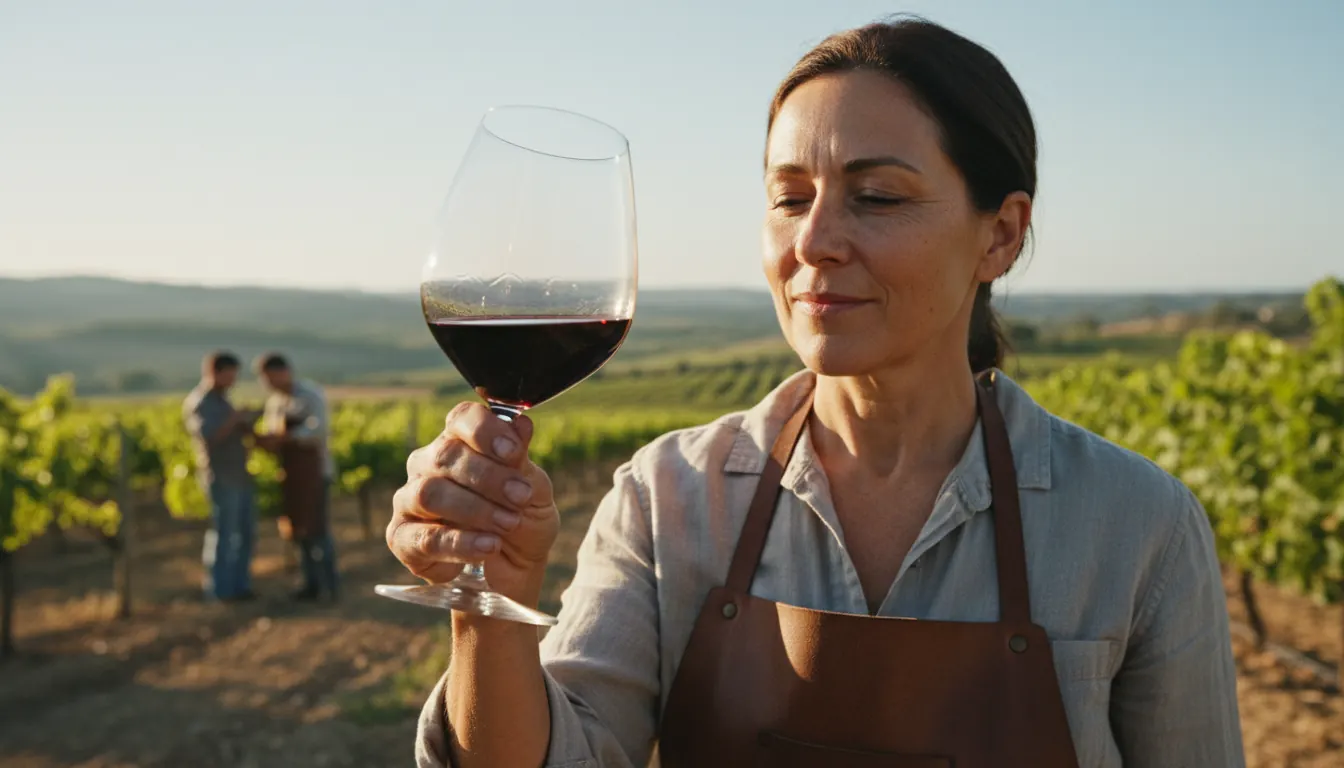
Finding fruit from specific farm blocks instead of combining fruit from different sources is the first step in learning how to make small batch wine. A lot of small wineries work with grower partners who take care of each row according to the winemaker's instructions. This connection makes it possible to precisely handle the canopy, water the plants, and choose when to pick. The grapes already have a past when they get to the farm, which helps the winemaker decide how to handle and treat them.
When it comes to small batch processes, equipment choices tend to favor flexibility over automation. Open-top fermenters let producers do hand punch-downs, which means they can push the cap of grape skins back into the juice several times a day. Even though it takes a lot of work and can't be scaled up to industrial levels, this method is better for color development and extraction. Basket presses are gentler on the fruit than constant screw presses, so the fruit's delicate qualities are kept. Every piece of equipment was picked to get the most work done by people, not to save money on labor.
Important Steps for Handmade Small Batch Production
- Vineyard selection: picking out blocks with the qualities you want and setting up rules for harvesting
- Handling grapes gently: means letting them flow naturally and not pumping them too much to keep their shape.
- Natural fermentation: relying on naturally occurring yeasts when conditions allow
- Extended maceration: means letting the skins stay in touch with the juice for days or weeks after fermentation.
- Selective racking: means moving wine off of sediment at the best times, which are decided by taste.
- Barrel evaluation: looking at each container on its own and making specific changes
- Blending trials: making several test blends before agreeing to the final mix
Patience as a Value Shared by Wine Culture and Modern Video Games
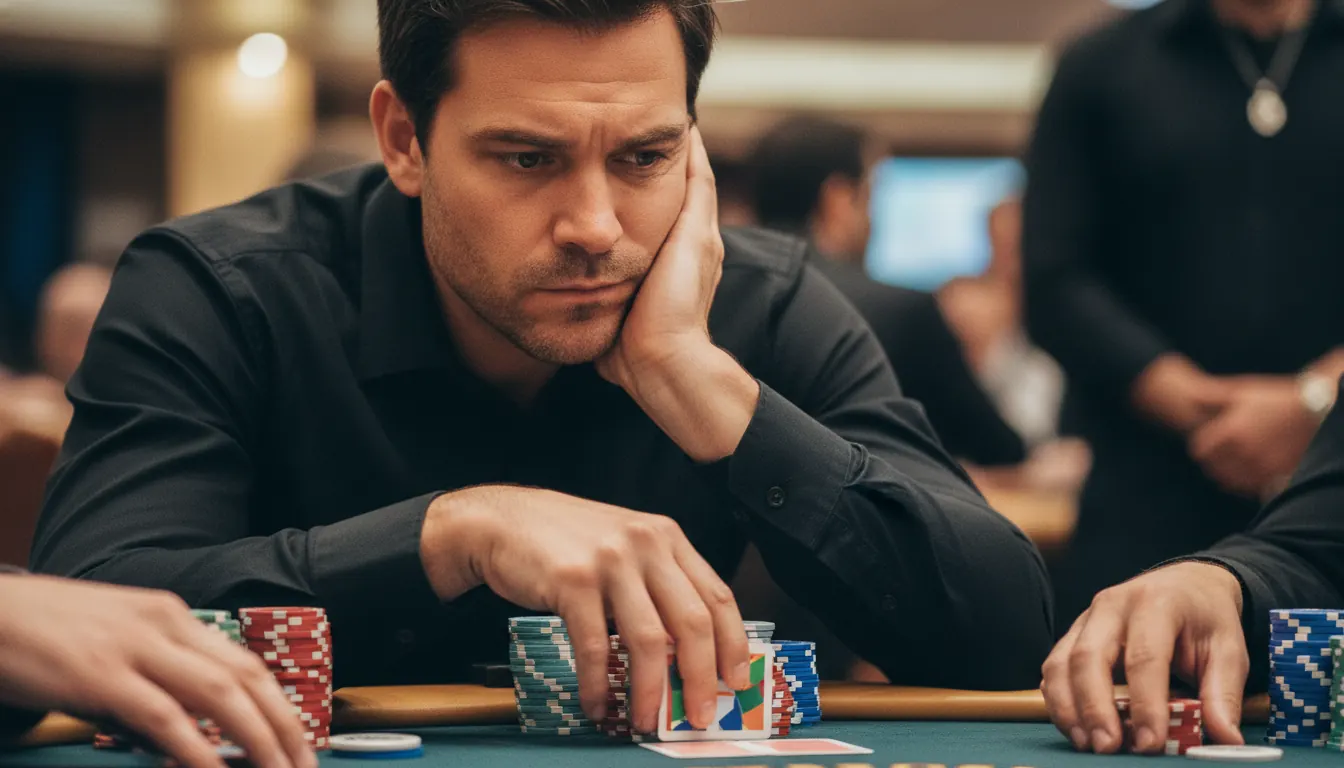
Observation, timing, and restraint are all important parts of making handcrafted wine. You can find surprising similarities between these concepts and strategy games. People who play games of skill on sites like corgibet casino often find that being patient helps them win. When figuring out poker odds or when to raise the stakes in blackjack, making decisions too quickly usually means losing. Players who are good at their game learn to wait for the right conditions to arise instead of pushing themselves to act.
This link between making wine and playing video games shows a bigger truth about great work. People who understand chance, can handle risk, and can keep their emotions in check under pressure will do well in both areas. Like a player deciding whether to keep playing in a competition, a winery who has to decide when to harvest has to deal with uncertainty. Even though neither knows for sure what will happen, they can both improve their chances by waiting and carefully thinking things through.
Looking at Patience in Different Fields
| Principle | Handcrafted Wine | Strategic Casino Play | Shared Value |
|---|---|---|---|
| Decision Making | When to Harvest: When data and taste match Up | Bet When odds are in the player's favor | Wait until things are ideal. |
| Dealing with Risk | Total exposure is lower for small lots. | Limits on your bankroll keep you from going bankrupt. | Never spend too much of your resources. |
| Long-Term Goals | Quality over profits every three months | A session is better than a single hand. | Focus on long-term success |
| Managing Your Emotions | Not give in to pressure to let go early | Don't tilt after you lose. | Stay objective when you're stressed |
The table shows how people in different areas create mental models that are similar. Professional winemakers and serious players both learn to be patient by repeatedly facing situations where acting quickly leads to failure.
The Mind Science of Delaying Pleasure
Both making wine and playing strategy games require you to put off short-term pleasures in order to get better results in the long run. Psychological study has shown that people who can wait satisfaction tend to do better in many areas of their lives. In the wine business, this could mean keeping a crop for an extra year even though it means spending more money. It could mean leaving a table when you're losing a lot of money instead of trying to win back your losses.
"The best winemakers and the best strategists both know when to act and when to observe. In any area, that's what sets experts apart from amateurs."
In this way of thinking, digital events are also included. Just like Cicada Cellars carefully chooses its online appearance to reflect its values, smart gambling platforms put money into user experience design that encourages players to play slowly instead of acting on impulse. Building a good website takes the same amount of care as making good wine or coming up with good ways to play games.
In conclusion
From Cicada Cellars' careful small batch winemaking processes to the careful timing choices that produce unique vintages, patience is the hallmark of handcrafted wine greatness. This idea of taking slow, deliberate action applies not only to the farm, but also to strategic activities like casino gaming, where timing and self-control are what separate successful results from costly mistakes. Time is always needed for quality.
Frequently Asked Questions
What makes handcrafted wine different from commercial wine?
Handcrafted wine requires human care at every stage of production, with winemakers making numerous small decisions that affect the final product. Unlike industrial wineries that use automated systems to process thousands of cases, handcrafted wine follows nature's schedule and allows for individual attention to each barrel. This method takes more time but results in richer flavors and deeper aromas.
How long does it take to produce small batch wine?
The production time varies by wine type. Light white wines take 4-6 months, while reserve red wines can take 24-36 months in oak aging alone, plus an additional 12-24 months of bottle aging before release. People might not be able to purchase a special red wine until three years after it was picked.
What is the philosophy behind small batch wine making?
Small batch wine making is a choice to reject speed in favor of quality. With production runs rarely exceeding a few hundred cases, winemakers can monitor each barrel individually and make specific adjustments. This approach allows for natural processes like malolactic fermentation and cold stabilization to complete on their own without artificial acceleration, resulting in cleaner flavors and better aging potential.
Why is patience important in both winemaking and strategic casino play?
Both winemaking and strategic casino play require observation, timing, and restraint. In winemaking, decisions about when to harvest or bottle must be made carefully based on optimal conditions. Similarly, successful casino players wait for favorable odds rather than making impulsive decisions. Both fields reward those who understand probability, manage risk effectively, and maintain emotional control under pressure.
What are the key factors that determine handcrafted wine quality?
Key factors include harvest timing (waiting for optimal sugar and acid balance), fermentation length (allowing natural yeast to work at its own pace), barrel selection (choosing wood based on long-term flavor goals), blending tests (weeks of experimentation), bottle aging (delaying releases until wines reach their peak), temperature control (making gradual adjustments), and clarification methods (using gravity and time instead of harsh filtering).