
Sustainable Winemaking and Responsible Gaming Built on Thoughtful Choices
Conscious consumption is changing everything from farming to entertainment. Two seemingly unrelated fields have something in common: they both care about quality through mindful practices. Sustainable winemaking and responsible games are both ways of doing things that put long-term value ahead of short-term pleasure. These ideas are part of a larger culture change toward openness, caring for the environment, and taking responsibility for our own actions when we plan and enjoy leisure activities.
Making Wine as a Way to Think About the Future
Winemaking has always needed patience and planning in advance. Vintners need to think about more than just the current crop. They also need to think about how their vines will be healthy in the future. This long-term view sets good creators apart from those who want to make money quickly.
How a Vintner Thinks
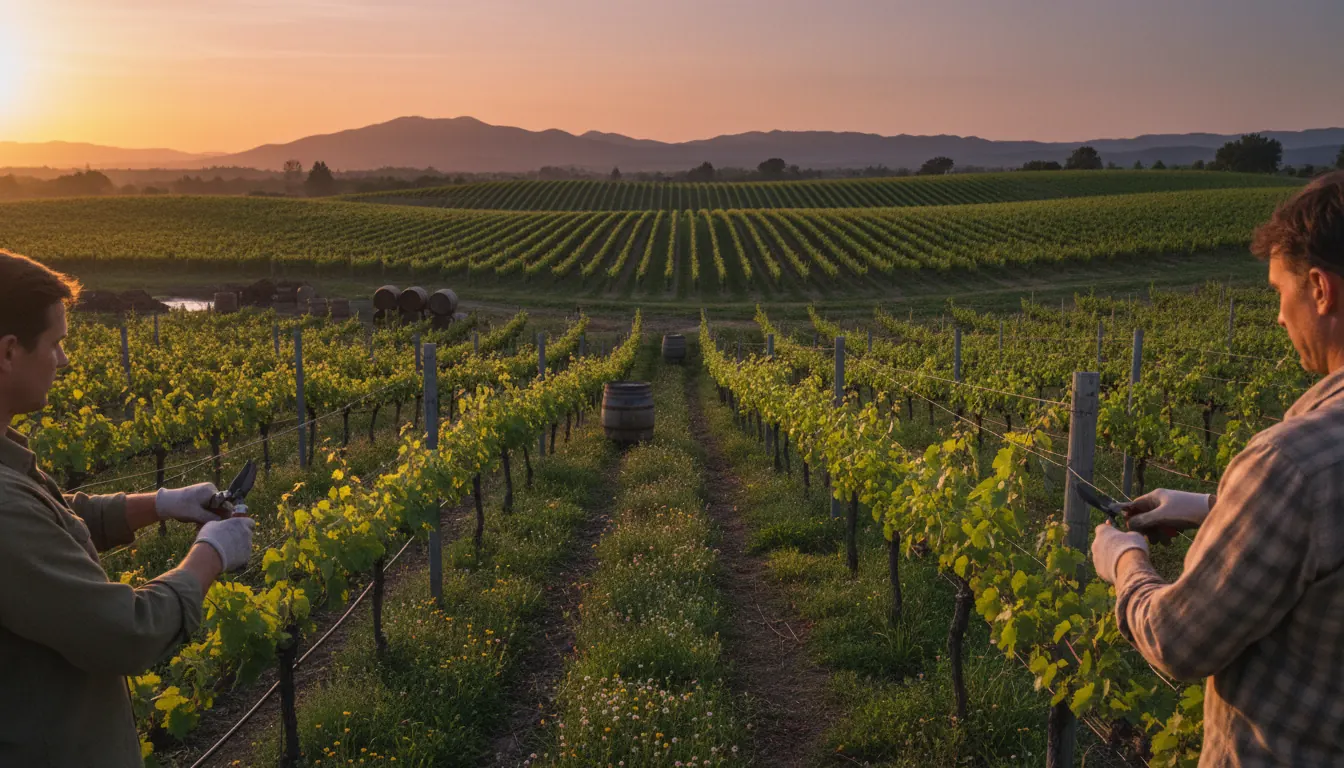
Traditional farmers know that making great wine starts years before the first bottle is sold. The quality of the soil, the age of the vines, and the balance of the ecosystem all affect the end result. This way of doing things is similar to how things are done in other fields where quality and sustainability meet, like on sites like manekispin casino, which promotes responsible fun in the gaming industry. The two are connected because they both want to make experiences that are good for both the customer and the world.
Getting Better by Being Patient
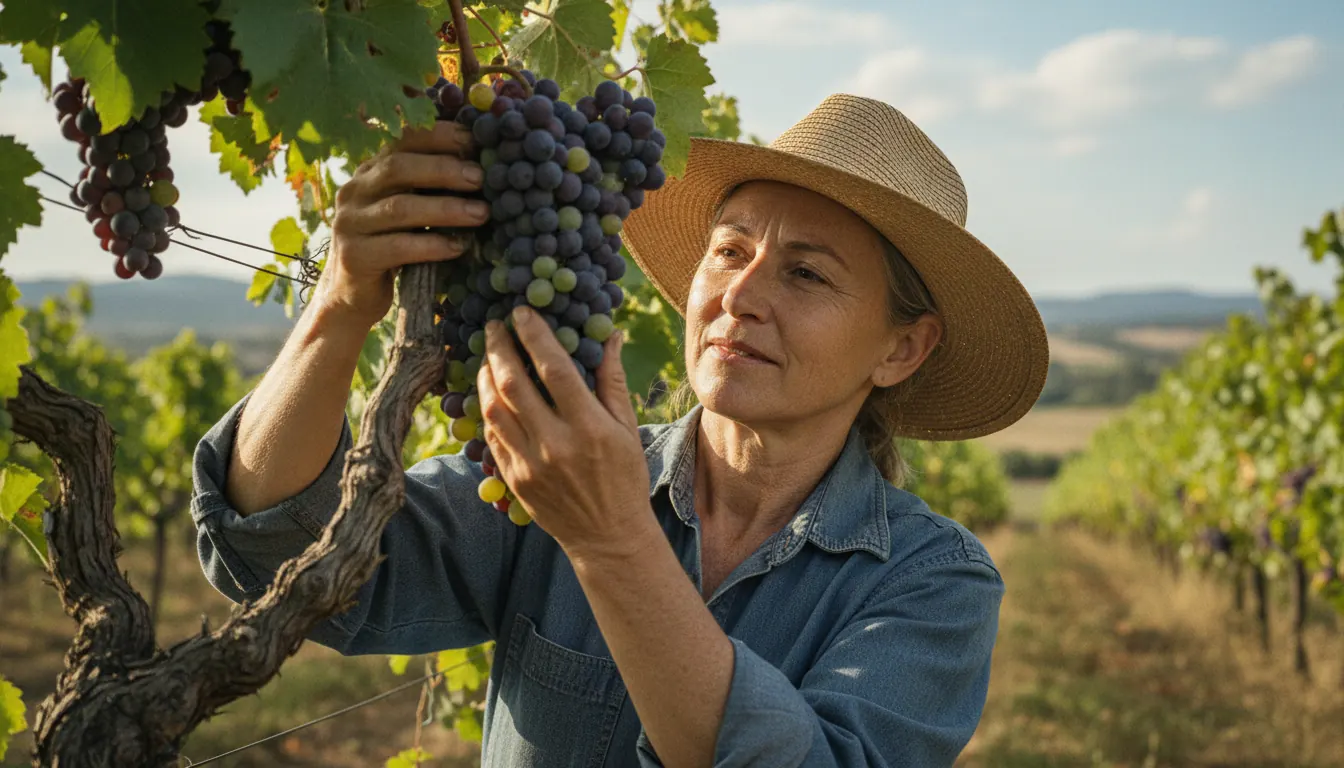
Setting up a farm takes a lot of money that will not be returned for a while. Usually, vines need three to five years to produce good fruit and a few more years to hit their full potential. This deadline calls for steadiness with money and a real commitment to the work.
- It may take more than one season of prepping and amendment of the soil to get the right mix of nutrients.
- The temperature, terrain, and type of grape must all be taken into account when choosing a vine training method.
- To get organic approval, you have to go without synthetic sources for three years.
- Canopy management methods are the result of years of watching and making changes.
- To keep plant stress and fruit quality in balance, water management methods need to be improved all the time.
- Cover crops and building habitats are examples of biodiversity projects that slowly pay off over time.
The Part of Making Wine Where Quality Starts
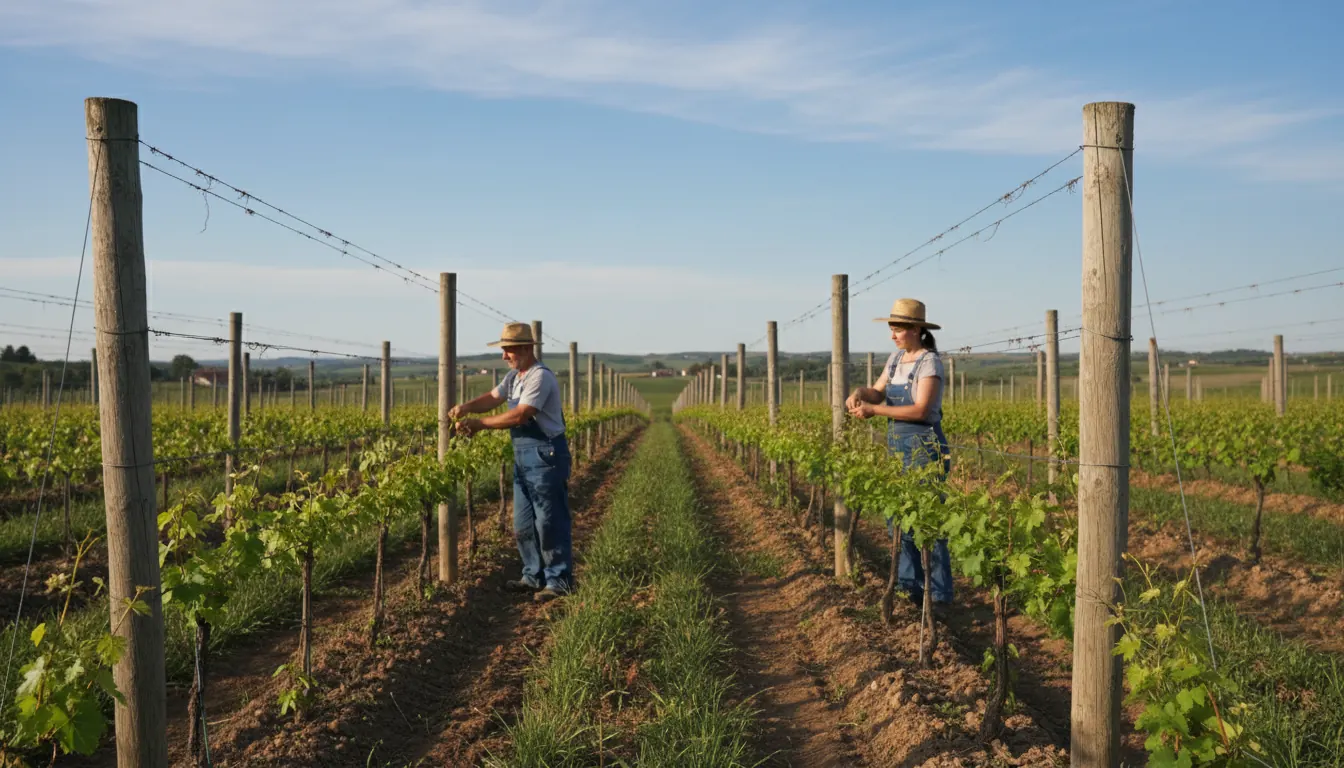
To understand why sustainable methods are important at every stage of winemaking, you need to know how the wine is made. Every choice, from picking the grapes to bottling, has an effect on both the finished product and the world.
From the Farm to the Crush
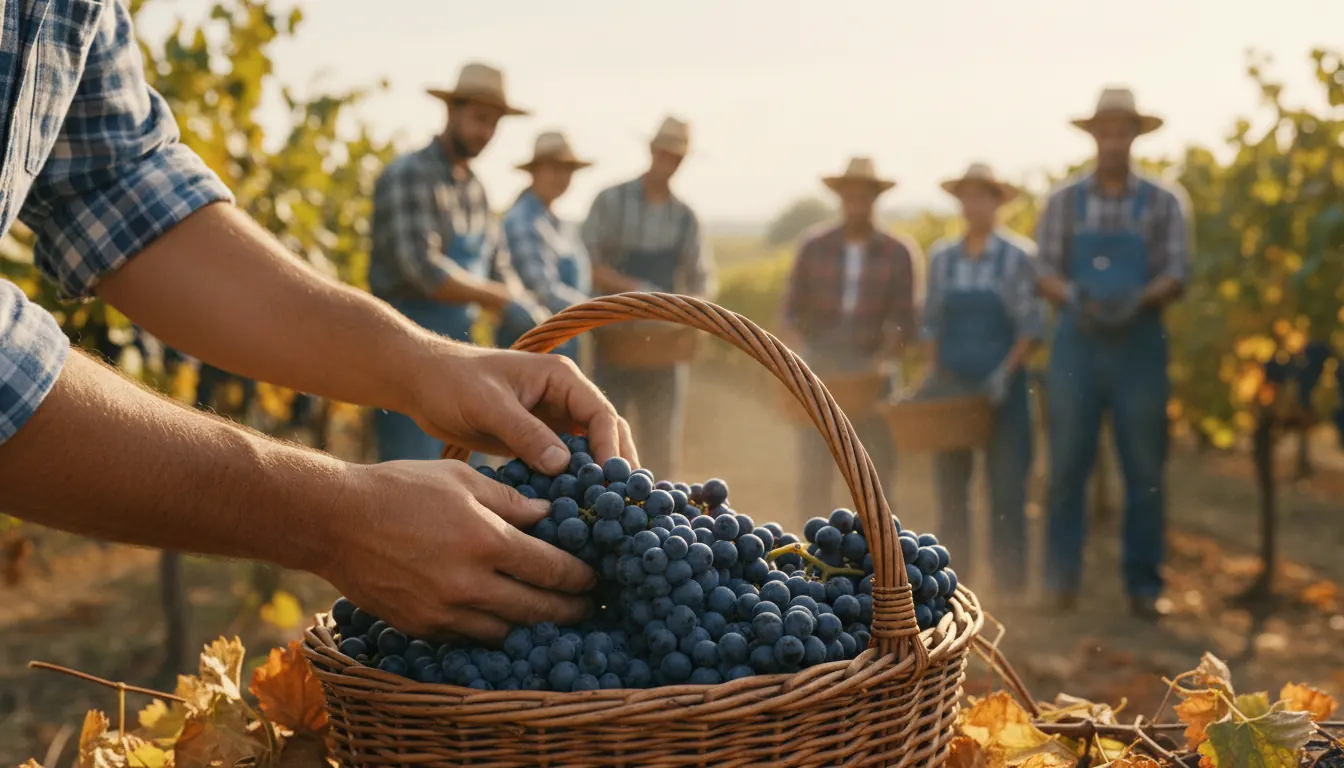
The trip starts in the field, where the grapes are watched to make sure they are just right. Before harvest, the sugar levels, acidity, and aromatic development must all be just right. Many eco-friendly farms pick the grapes by hand to make sure they are picked carefully and to keep the fruit and bushes from getting damaged by machines.
| Stage | Key Actions | Long-Term Success Pay attention | Effects on Quality |
|---|---|---|---|
| Gathering | Picking by hand and careful grouping | Less fuel use, accuracy | Better choice of fruits |
| Crushing | Light pressing and destemming | Equipment that uses less energy | Keeps delicate aromas alive |
| Fermentation | Temperature control and choosing the right yeast | Cooling from the air, local yeasts | Expression of terroir and complexity |
| Aging | Development in a barrel or tank | Sources of renewable cooperage | Developing flavors and staying stable |
| Filtration | Final mixing before bottling | Lightweight glass, little work needed | Shelf life, cleanliness |
Fermentation and Other Things
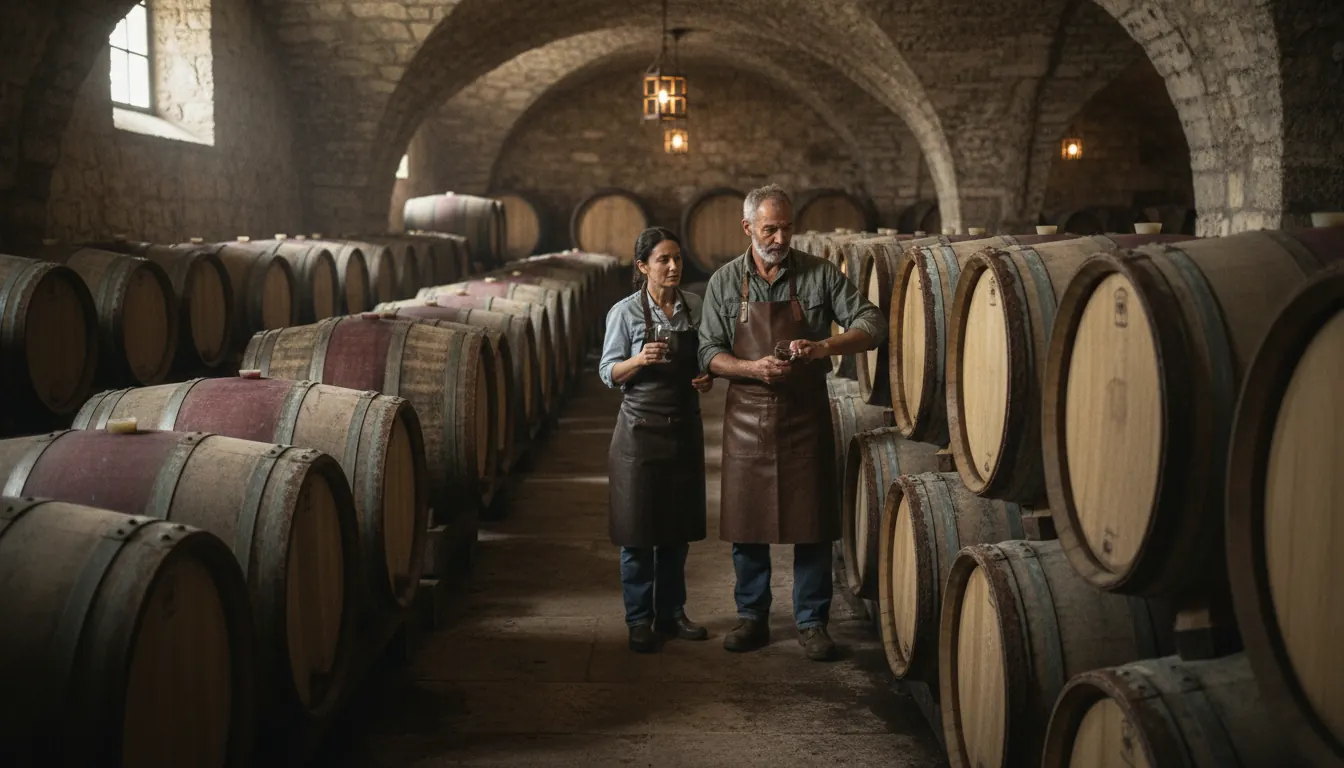
When you crush the grapes, the winemaking process starts its most important part. The sugars in grapes are turned into alcohol during fermentation, which also changes the wine's flavor. Controlling the temperature, the amount of oxygen intake, and the time all need close attention. The best winemaking involves listening to what the grapes want to become, not pushing them into a set mold. Sustainable wineries frequently use gravity-flow systems to move wine gently between vessels, reducing energy consumption while maintaining wine quality.
To be sustainable, you have to work with nature's cycles instead of against them.
The Science of Winemaking and Green Ways to Do Things
The science of winemaking in modern practices combines scientific understanding with traditional wisdom. Decisions that affect both the quality of wine and the climate are based on chemistry, microbiology, and farming science.
Balance in Chemistry and Natural Fixes
Managing pH levels, sulfite additions, and phenolic chemicals are all parts of wine science. More and more, sustainable winemakers are using methods with little to no involvement, letting the natural components of the wine provide security. This cuts down on the need for chemicals and makes wines that are more true to their source.
Biological Ways to Keep Vineyards Healthy
Biological answers to everyday problems are a big part of sustainable agriculture. Pests are naturally kept in check by beneficial insects, and cover crops build up the soil and stop it from washing away. These ways need more understanding, but they make vineyard environments that can handle changes.
- Composting waste from making wine adds nutrients back to the earth and cuts down on trash dumping.
- Biological controls, tailored interventions, and tracking are all parts of integrated pest management.
- When native yeast is used in brewing, the unique taste profiles and variety of microbes in the area are kept.
- Water recycling devices collect and clean rainwater so that it can be used for cleaning and watering plants.
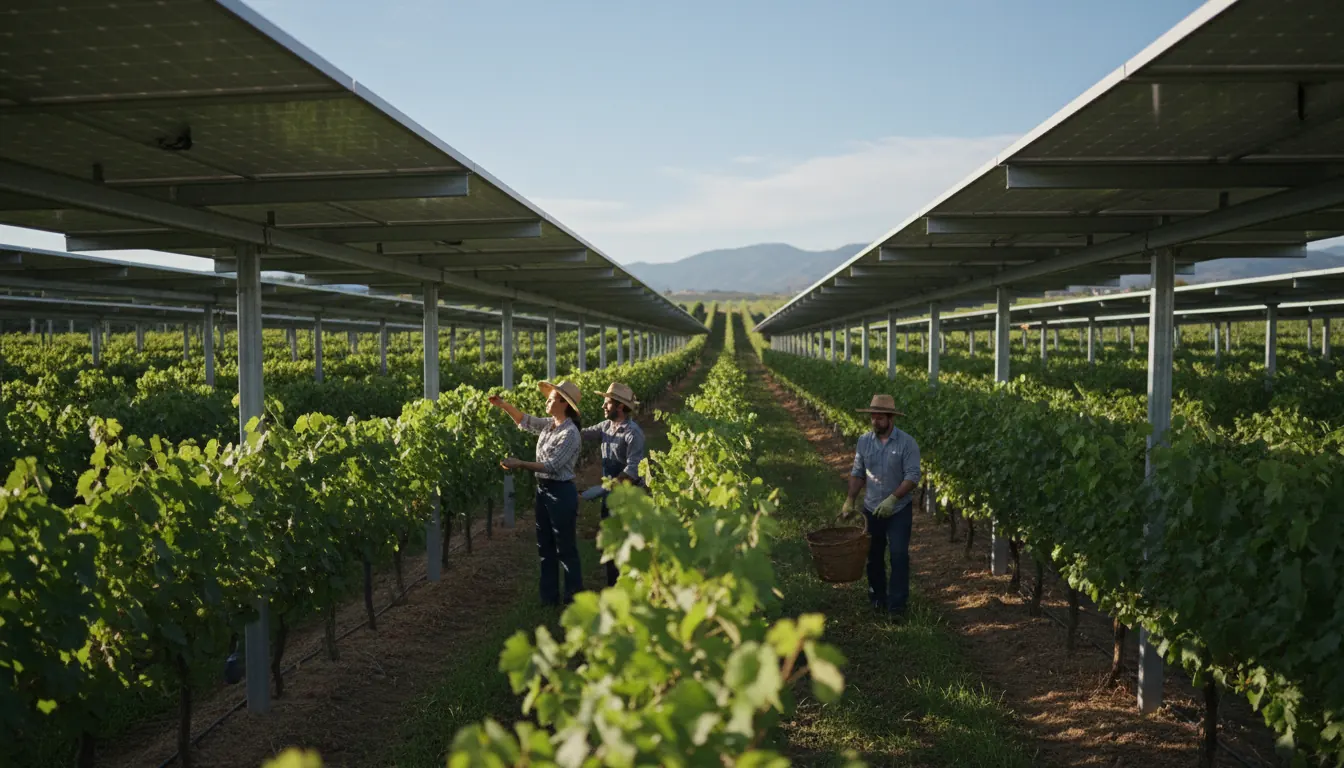
- Installing solar panels can help reduce the amount of electricity that cooling and processing tools use.
- Lightweight bottle programs cut down on pollution from shipping and the use of raw materials.
Science has proven what old-fashioned winemakers already knew: healthy soil makes healthy vines, which make great grapes. Sustainable methods aren't just the right thing to do; they're also the basis of quality.
Making Wine That Is Good for the Environment and Making Smart Choices
Concerns for the earth aren't the only ones that guide sustainable winemaking. Social and economic duty are also important. This all-around method saves resources while making things better for everyone.
How to Measure Impact Outside of the Bottle
Modern farms keep track of their impact on the environment by getting certificates and checking in on their own. Carbon pollution, water use, and trash production are all looked at. Being open about these efforts builds trust with customers and encourages them to keep getting better.
| Practice Category | Implementation | Quantifiable Gain | Value for Money |
|---|---|---|---|
| Using energy well | Solar power and passive cooling | Can cut grid energy use by 40 to 60 percent | Lower prices of doing business |
| Using less water | Systems for drip watering and recycling | 30 to 50 percent less water per acre | Resilience to drought |
| Health of the soil | Cover crops and composting | More organic stuff and wildlife | Better quality grapes |
| Sending out | Different seals and lighter bottles | Less pollution from shipping | Kept the quality of the wine |
How Sustainable Methods Affect the Economy
In spite of what most people think, sustainable methods often make businesses more profitable over time. Initial investments are recouped through lower input costs, the ability to charge higher prices, and improved working efficiency. When wineries commit to being environmentally friendly, they often see better brand identity and customer loyalty.
Playing Video Games Responsibly as Part of a Thoughtful Leisure Lifestyle
In the same way that sustainable winemaking encourages smart decisions and long-term planning, responsible gaming encourages fun that doesn't have any bad effects. Both views agree that having good experiences means being aware and being moderate.
Similarities in How We Protect Consumers
Labeling rules and details about the varietals help winemakers be open and honest. In the same way, trustworthy gaming sites give you clear information about chances, ways to limit your spending, and ways to stop playing altogether. With these steps, consumers will be able to make choices that are in line with their ideals and circumstances.
Setting Up Long-Lasting Fun
The link between appreciating wine with thought and enjoying entertainment responsibly is purpose. Whether having a well-made wine or playing casino games, the attention stays on the quality of the experience rather than the amount of it. To enjoy something for a long time, you need to set personal boundaries, know what you're taking in, and know when to stop.
Sustainable winemaking and responsible games are coming together, which shows that people are becoming more conscious of how they consume. Both of these areas show that quality and duty go hand in hand and don't fight with each other. By being open, thinking about the long term, and caring for resources, these businesses show ways to do things that can be used in all leisure activities, making experiences that are more meaningful and last longer.
Frequently Asked Questions
What is sustainable winemaking?
Sustainable winemaking is an approach to wine production that balances environmental stewardship, economic viability, and social responsibility. It involves practices such as organic farming, water conservation, renewable energy use, biodiversity protection, and minimal chemical interventions throughout the winemaking process.
How long does it take for grapevines to produce quality fruit?
Grapevines typically need three to five years to produce good fruit and a few more years to reach their full potential. This timeline requires financial steadiness and a genuine commitment to the craft, as investments in vineyard establishment take considerable time to yield returns.
What are the main stages of the winemaking process?
The main stages of the winemaking process include: gathering (harvesting grapes), crushing (pressing and destemming), fermentation (converting sugars to alcohol), aging (developing flavors in barrels or tanks), and filtration/bottling. Each stage affects both the final product quality and environmental impact.
How does sustainable winemaking benefit wine quality?
Sustainable winemaking enhances wine quality by promoting healthy soil, which leads to healthy vines and superior grapes. Practices like minimal intervention, native yeast fermentation, and organic farming create wines that are more authentic to their terroir and express unique characteristics of their origin.
What is the connection between sustainable winemaking and responsible gaming?
Both sustainable winemaking and responsible gaming share core principles of transparency, long-term thinking, and prioritizing quality experiences over quantity. They both emphasize consumer awareness, setting personal boundaries, and making thoughtful choices that align with individual values and circumstances.