
The Use of Games to Help People Find New Wine Aromas in Modern Wine Culture
Interactive methods that are similar to changes in digital fun and learning tools have become a part of wine education. Once limited to official tastings and training for sommeliers, discovering new wine aromas is now made more fun and available by adding game-like features. Fun and organized ways to learn about aromatic wine have made wine enjoyment more accessible while keeping its complexity.
The Smell of Wine as the Basis for Learning Through the Senses
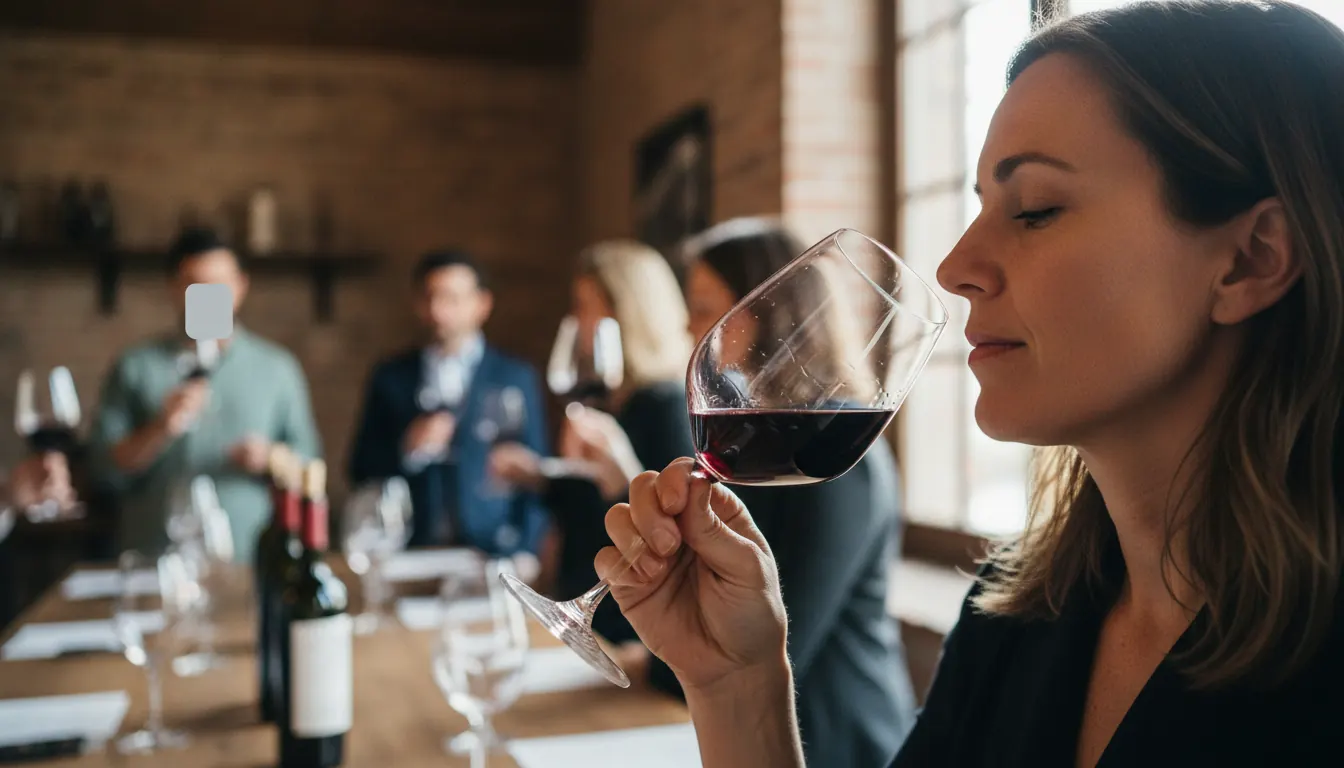
The main way to learn about a wine's quality, location, and personality is to smell it. Even though the human nose can tell the difference between thousands of smells, most people aren't trained to pick out specific flavor chemicals in wine. This difference between what someone can do and what they actually do opens the door for organized learning methods that boost confidence through repetition and praise.
Aromatic molecules in wine come from the grapes, the brewing process, and the aging process. Terpenes give smells flower qualities, and esters give smells pleasant ones. Some white wines smell like tropical fruits because of thiols, and some have grassy notes because of pyrazines. It takes a lot of experience and practice to get the palate to recognize these chemicals, just like it does to learn any other skill.
Structured Practice Can Help You Learn to Recognize Smells
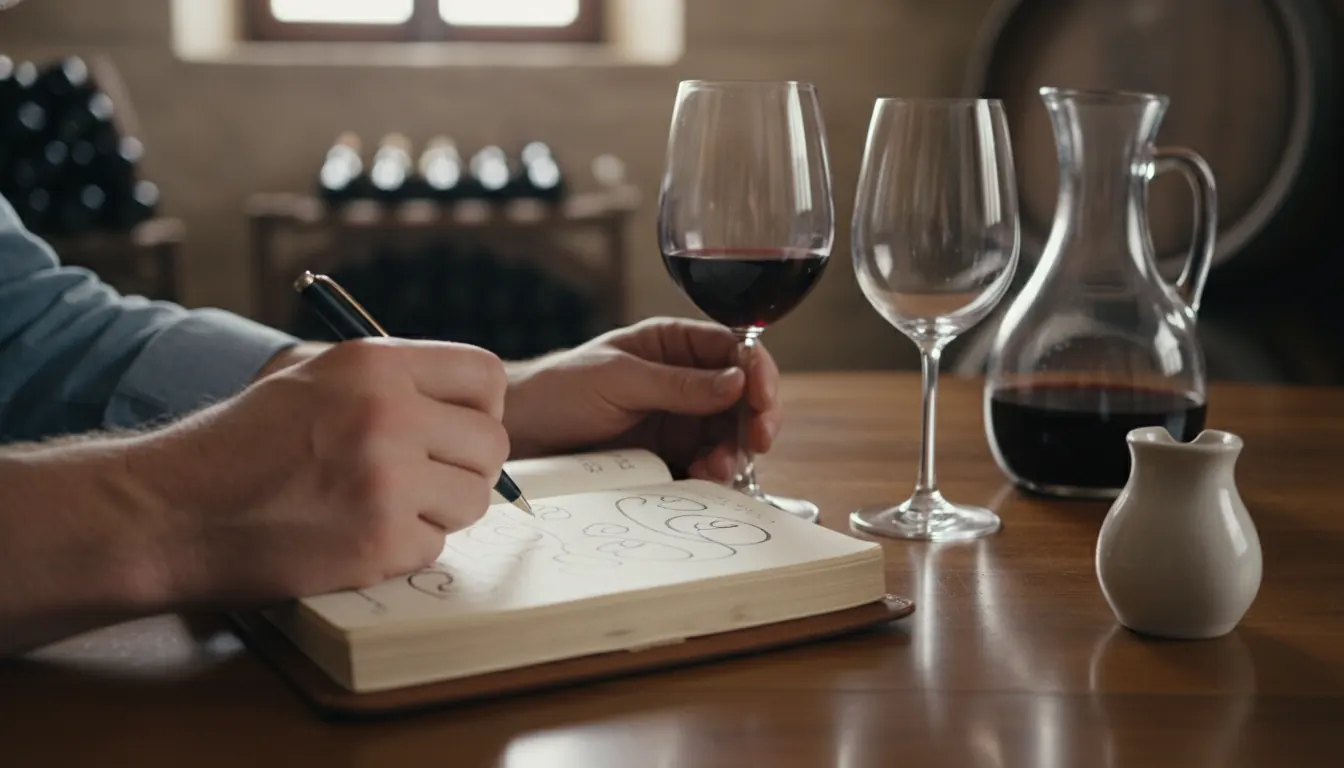
Methodical training methods are beneficial for improving wine aroma recognition skills:
- First, focus on the main smells of the different types of grapes. Then, move on to the secondary fermentation notes.
- Before you try to identify complicated wine profiles, practice naming single aromatic compounds on their own.
- Use comparison tasting to tell the difference between smells that are similar, like cherry and raspberry.
- Keeping a taste log will help you keep track of your progress and improve your sensory memory.
- Do regular blind tastes to see how well you can recognize flavors without looking at the food.
- Join taste groups to get the most out of the information and ideas of other people.
- Instead of moving from one category to another, go through the aroma groups in a planned way.
The gamification principles used successfully in online gaming platforms, mobile learning apps, and even entertainment sites like Needforslots casino demonstrate how reward systems and progressive tasks maintain user engagement—strategies now being adapted for wine education.
What Does Aromatic Wine Mean and Why Does It Matter in Modern Tasting?
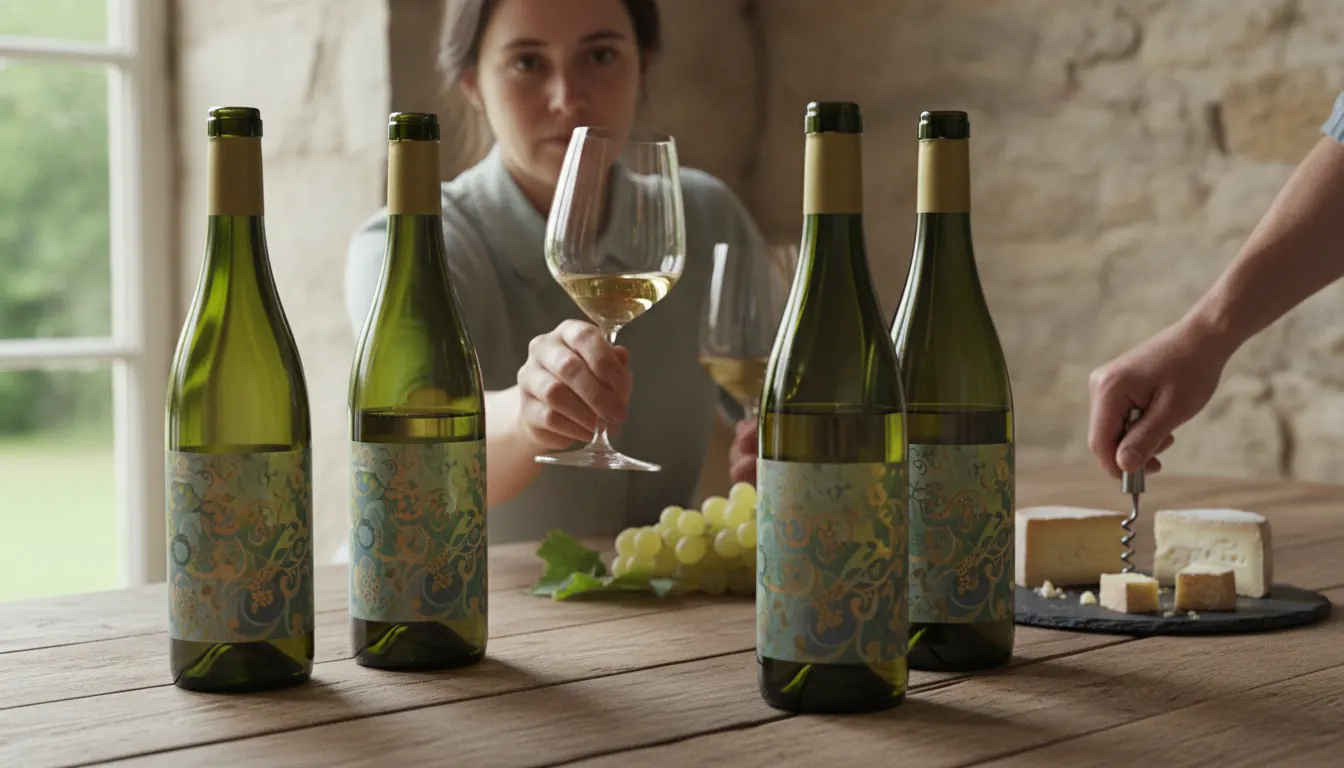
Wines with strong, dramatic aromas that catch your eye right away are referred to as aromatic wine. A lot of aromatic chemicals are usually present in these wines, which create unique taste experiences. When people know what makes a wine pleasant, they can choose bottles that suit their tastes and the event.
Aromatic wines have strong, forward scents that take over the drinking experience. Gewürztraminer, Riesling, Muscat, and Viognier are all examples of aromatic white wines because they have strong flower and fruit notes. There are more terpenes and other volatile substances in these wines, which gives them their unique flavor. Aromatic quality and depth are still two different things, but in high-quality wines, they often come together.
Comparing the Smells of Different Types of Wine
| Type of Wine | Main Aromatic Compounds | Intensity Level | Common Descriptors |
|---|---|---|---|
| Aromatic White Wines | Terpenes, esters | High | Lychee, rose, peach, honeysuckle |
| Aromatic Red Wines | Anthocyanins, pyrazines | Medium to High | Violet, black pepper, dark berries |
| Oak-Aged Wines | Lactones, vanillin | Medium | Vanilla, toast, coconut |
| Neutral Wines | Minimal esters | Low | Subtle fruit, mineral notes |
Experiences with Aromatic White Wine and Aromatic Red Wine
Aromatic white wine and aromatic red wine both provide unique entry points into the world of wine. White aromatic wines, like Gewürztraminer and Torrontés, give you instant pleasure with their strong scents. On the other hand, aromatic red wines, like Syrah and Nebbiolo, show off their personality more gradually through air flow and temperature changes.
Different Kinds of Aromatic White Wine and How They Taste
Aromatic white wines are most common in places with cool weather that keeps the delicate chemicals in the wine. German Rieslings have apple and lemon flavors with hints of gasoline. Gewürztraminers from Alsace show off lychee and rose petal flavors. Thiol elements give New Zealand Sauvignon Blanc its strong smells of passionfruit and gooseberries. Each type has its own unique smell that comes from the soil it grows in and the choices made during the fermenting process.
Exploration and Complication of Aromatic Red Wine
When it comes to taste, aromatic red wines are harder to judge than white wines. Northern Rhône Syrah has scents of violet, olive, and smoked meat. Nebbiolo from Barolo has notes of rose, tar, and cherry that change a lot as it ages. If you're patient and try these wines more than once, they will teach you that aroma discovery is more than just first thoughts.
"Aromatic wines function as ideal teaching tools because their pronounced character makes identifying specific compounds easier for beginners, while still offering complexity that challenges experienced tasters."
Because aromatic wine tasting is involved, spontaneous development systems are created. For starters, fruit notes are easy to pick out. Next, flower notes are learned, and finally earthy, mineral, and evolved notes are learned. This leveling up based on achievements is similar to how games work on some learning sites.
The Wine Aroma Kit and Wine Aroma Wheel: Game-Based Ways to Teach Wine
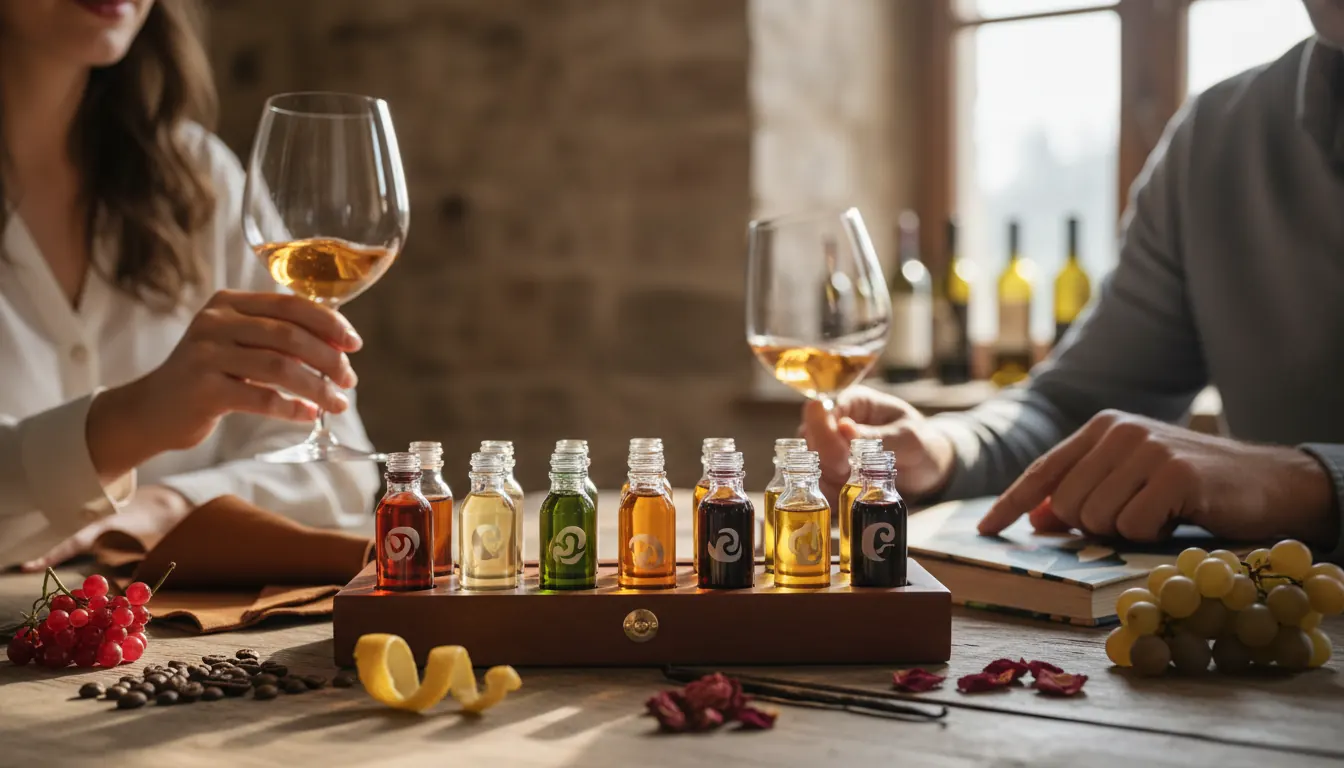
Training in wine aromas has become easy to do and fun thanks to specialized tools. The wine aroma kit and wine aroma wheel are important tools for teaching sense skills in a structured way through hands-on activities.
What's in a Wine Aroma Kit and How to Use It
A wine aroma kit usually has between 40 and 88 bottles that each contain a different aromatic chemical found in wine. Each bottle contains a single smell, like blackcurrant, vanilla, leather, or wet stone. This lets users remember individual parts before coming across them in complicated wine blends. This modular method breaks down too much sensory information into problems that are easier to handle as they go up.
Comparison of the Most Important Wine Education Tools
| Tool Type | Learning Method | Difficulty Progression | Engagement Features |
|---|---|---|---|
| Wine Aroma Kit | Direct scent exposure | Simple compounds to complex blends | Tactile interaction and immediate feedback |
| Wine Aroma Wheel | Visual categorization | Broad categories to specific terms | Color-coded, systematic navigation |
| Blind Tasting | Practical application | Familiar grapes to obscure varieties | Real-world testing and competitive element |
| Digital Wine Apps | Quiz-based games | Adaptive difficulty algorithms | Score tracking and achievement badges |
| Professional Courses | Structured curriculum | Foundational to advanced certification | Peer competition and credential rewards |
Using the Wine Aroma Wheel in Systematic Tasting
The wine aroma wheel, which was created by sense scientist Ann C. Noble, sorts smells into levels of importance. There are broad groups like fruity, floral, and earthy in the middle ring. In the middle rings, the choices get more narrow, like orange or red fruit. The outer rings show specific words, like "grapefruit" or "strawberry." This visual tool turns identifying smells into a game by showing a clear path from general feelings to specific naming.
"The wine aroma wheel transforms intimidating wine vocabulary into an approachable reference system, empowering tasters to communicate their perceptions with confidence and precision."
How Gamification Makes People More Involved: From Cicada Cellars Winery to Digital Platforms
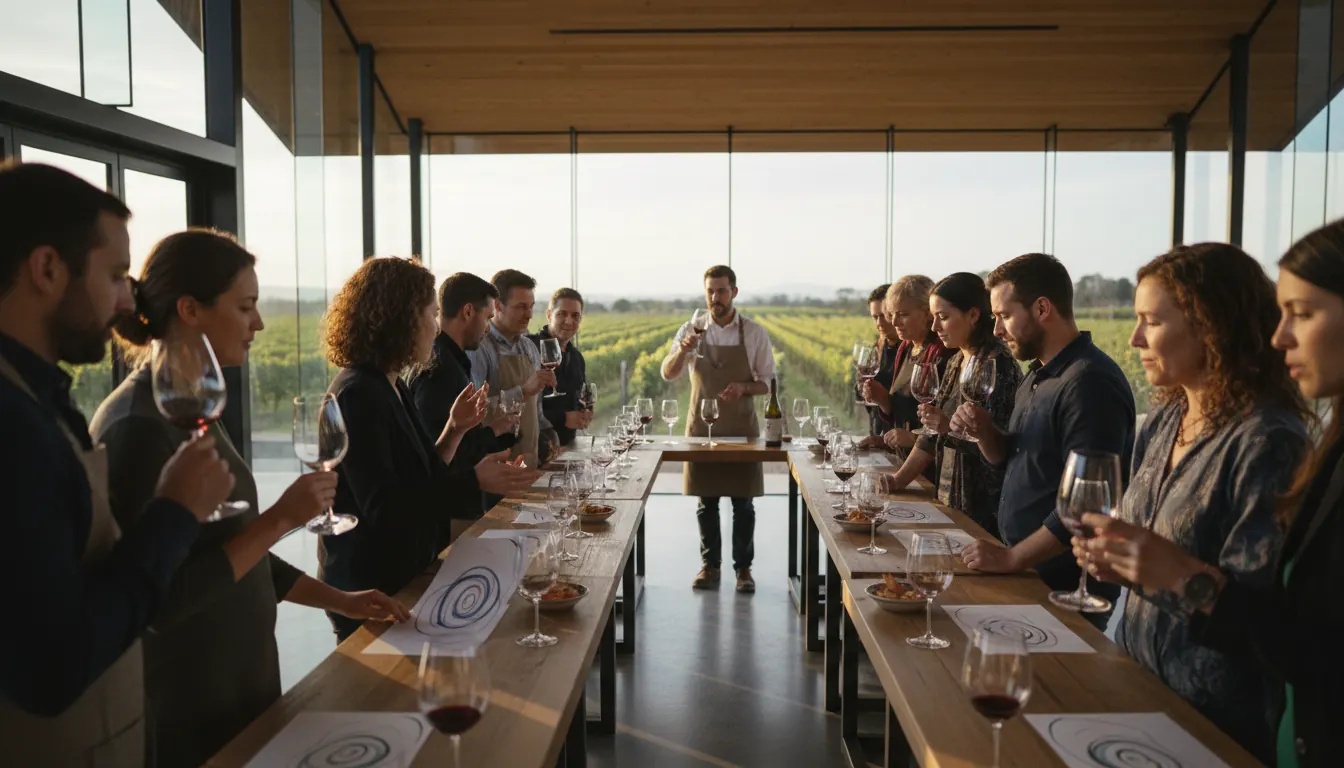
Engaging methods for teaching wine today come from digital tools that have worked well in other fields. Cicada Cellars Winery and other similar places are adding more and more game-like elements to tastings, like aroma identification tasks and variety guessing contests. These methods are based on the idea that adding fun to learning makes it easier to remember what you've learned.
Ways to Get People Involved in Wine Education
Now, wineries and wine teachers make experiences that are similar to how advancement works in games. For example, people could start with a "beginner level" taste of easy-to-find wines, then move on to "intermediate challenges" with unknown types, and finally try "expert missions" where they have to name vintage years or specific vineyard blocks. This system makes success that can be measured, which encourages people to keep taking part.
The entertainment business has perfected ways to keep people interested, and wine education is starting to use them more and more. Even though wine tasting and online gaming are different, they both benefit from having clear goals, reaching attainable targets, and being able to see your progress. Achievement badges, taste streak counters, and leaderboards that compare how well users can identify wines are now built into wine apps. These are direct applications of game concepts to educational settings.
Digital Tools That Make Learning About Wine Aromas Better
Mobile apps and websites let you learn about wine in ways other than going to tastings. People can use apps to take pictures of wine labels, keep track of their tasting notes, and test their knowledge of flavor chemicals. Some platforms have augmented reality features that put information about wine areas or varieties on top of real-world images. These digital tools make it easy to practice over and over again, which helps you remember what you've learned between official tastings. This makes learning about wine a continuous activity instead of a rare one.
Wine commerce systems have built teaching material right into the buying process, making the switch from learning to buying smooth. Interactive quizzes help people figure out patterns in their tastes, and organized sets bring new scents that match people's already-loved tastes. Using this method, choosing wine stops being a scary job and starts being an interesting finding process with a clear goal.
Conclusion
The use of games to help people discover new wine aromas is a natural step forward in wine education because it makes complex information easier to understand through fun, organized methods. The wine aroma wheel and wine aroma kits are two tools that help your senses grow in a planned way. Digital platforms also let you learn in places other than schools. As wine culture continues to use engaging teaching methods, more people will feel comfortable trying aromatic wine types and really understand how wine affects our senses.
Frequently Asked Questions
What does aromatic wine mean?
Aromatic wine refers to wines with pronounced, expressive aromas that immediately capture attention. These wines typically contain high concentrations of aromatic compounds like terpenes and esters, creating distinctive sensory experiences. Examples include Gewürztraminer, Riesling, Muscat, and Viognier for white wines, and Syrah and Nebbiolo for red wines.
What is a wine aroma kit and how does it work?
A wine aroma kit contains between 40 and 88 small bottles, each holding a single aromatic compound found in wine, such as vanilla, blackcurrant, leather, or wet stone. Users smell these individual aromas to train their sense memory before encountering them in complex wine blends. This modular approach breaks down sensory information into manageable steps that progressively build recognition skills.
How is the wine aroma wheel used in wine education?
The wine aroma wheel, created by sensory scientist Ann C. Noble, organizes wine aromas in hierarchical levels. The inner ring contains broad categories like fruity, floral, and earthy. Middle rings narrow down choices to subcategories like citrus or red fruit, while outer rings display specific descriptors like "grapefruit" or "strawberry." This visual tool provides a clear path from general impressions to precise terminology, making wine vocabulary more approachable.
What is the difference between aromatic white wine and aromatic red wine?
Aromatic white wines like Gewürztraminer and Torrontés deliver immediate gratification with bold, forward scents of flowers and tropical fruits due to high terpene content. Aromatic red wines like Syrah and Nebbiolo reveal their character more gradually through aeration and temperature changes, displaying complex notes of violets, spices, and dark fruits. White aromatic wines are typically more immediately expressive, while red aromatic wines offer evolving complexity over time.
How does gamification improve wine aroma recognition?
Gamification applies engagement principles from digital platforms to wine education through progressive challenges, achievement tracking, and reward systems. Learners advance from "beginner level" wines with easily identifiable aromas to "expert missions" requiring identification of specific vineyard blocks or vintage years. Features like achievement badges, tasting streak counters, and leaderboards maintain motivation while structured progression builds confidence through measurable success at each level.